


 8 min read


Black oxide is a dark surface finish used on suitable steel and other iron-based parts. In a conventional hot process, chemicals react with the metal surface to form a thin layer of black iron oxide called magnetite.
It is often chosen for a dark appearance, reduced glare, and minimal dimensional change. Black oxide alone does not make steel rustproof. Oil, wax, or another suitable post-treatment is commonly used to improve corrosion protection.
Whether it is the right finish depends on the part’s material, operating environment, fit requirements, and whether an oily or sealed surface is acceptable.
Does Black Oxide Prevent Rust?
Black oxide provides limited corrosion protection on its own. The finish can hold a supplementary oil, wax, or sealer, which helps protect the surface from moisture. The level of protection depends on the material, post-treatment, exposure, and condition of the protective film.
For example, black oxide with a suitable oil may be practical for a steel fixture used indoors and maintained regularly. The same finish may not provide enough protection for a part exposed to rain, road salt, or frequent washing.
If the part will operate in a corrosive environment, define the conditions and compare other finishing systems as well. Where corrosion testing is required, agree on the test method and acceptance criteria. A salt spray result for a particular finish system should not be treated as a direct prediction of service life.
How Does Black Oxide Work?
Black oxide is a chemical conversion finish. On carbon steel, a conventional hot blackening solution reacts with iron at the surface and forms magnetite, also written as Fe3O4. The resulting dark layer is part of the treated surface.
The layer is much thinner than many deposited coatings. This makes black oxide worth considering for fasteners, fixtures, and machined parts where the fit between components matters. Critical dimensions still need to be checked against the drawing and finishing requirements.
For examples of suitable components and finishing considerations, see our black oxide finishing page.
Which Materials Can Be Black Oxidized?
Carbon Steel and Alloy Steel
Many carbon and alloy steels are suitable for black oxide. The grade, heat treatment, existing surface condition, and finishing chemistry can all affect the result. A polished part may remain relatively glossy, while a rougher surface may appear more matte.
Provide the exact material grade when specifying a finish. Our steel materials page explains some of the steels used for machined components.
Stainless Steel
Some stainless steels can be blackened using a process designed for the specific alloy. Not every stainless grade responds the same way, and blackening should not automatically be assumed to improve its existing corrosion resistance.
Confirm the grade, appearance, and required corrosion performance with the finisher before approving the process.
Cast Iron, Aluminum, and Other Metals
Cast iron can be treated with suitable blackening processes. Copper alloys and aluminum also have specialized chemical blackening options, but their treatments do not necessarily create the same layer as conventional black oxide on steel.
For an aluminum part, black anodizing is another option. It is a different electrochemical process with its own effects on appearance, dimensions, and performance.
When Is Black Oxide a Good Choice?
Black oxide is worth considering when a steel part needs a dark, low-glare surface and a thin finish. Common examples include machine fixtures, threaded hardware, hand tools, and components used with a suitable lubricant.
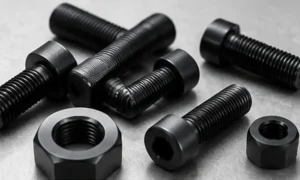
Consider how the part will actually be used. An indoor steel fixture that can be maintained with a light oil has different needs from an outdoor bracket exposed to moisture and salt. If cleaning, painting, bonding, or keeping the surface free of oil is important, agree on a compatible post-treatment before specifying the finish.
Black oxide is not a substitute for a finish selected to meet a demanding corrosion or wear requirement. The choice should be based on the complete finish system and the expected service conditions.
How Is Black Oxide Applied?
The precise sequence varies with the material and chemistry, but a typical finishing process includes:
- Cleaning: Remove oil, grease, and other contamination.
- Surface preparation: Remove rust or scale and activate the surface when required.
- Blackening: Treat the part with a solution selected for the material.
- Rinsing: Remove residues between and after treatment stages as appropriate.
- Post-treatment: Apply the specified oil, wax, or other sealer.
- Inspection: Check coverage, appearance, and agreed functional requirements.
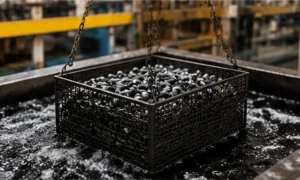
Black oxide generally follows the underlying surface texture. It will not reliably hide machining marks, scratches, or uneven preparation. If appearance matters, specify the surface condition before finishing as well as the desired final look.
Hot, Mid-Temperature, and Cold Blackening
These terms describe processes that use different operating temperatures and may produce different surface chemistry.
Hot Black Oxide
A traditional hot process uses a heated solution to produce a black conversion layer on suitable steel parts. Birchwood Technologies’ temperature guide describes traditional hot systems operating around 285–290°F (approximately 140–143°C). Actual conditions depend on the finishing process.
Mid-Temperature Black Oxide
Mid-temperature systems operate below traditional hot processes. Some formulations can also produce a magnetite layer on steel, but the suitable alloys and process conditions depend on the particular system.
Room-Temperature Blackening
Some products called “cold black oxide” operate near room temperature. Their chemistry can differ from hot black oxide: as Hubbard-Hall explains, some form copper-containing black compounds rather than a magnetite layer.
If a drawing calls for a specific process or finish specification, confirm that the proposed treatment meets it. A similar black appearance does not establish that two finishes will perform the same way.
Does Black Oxide Affect Dimensions or Wear Resistance?
Black oxide is often selected for threaded or mating parts because the conversion layer is very thin. Even so, the material, surface preparation, and post-treatment can matter when tolerances are tight. Identify critical features and specify whether inspection takes place before or after finishing.
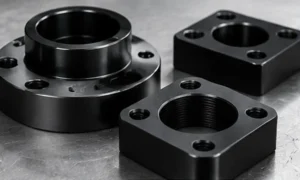
Black oxide is also not a hardening treatment. A blackened surface can scratch or wear in service, and its protective oil or sealer may be removed through cleaning or use. For heavily loaded or abrasive contact, evaluate a surface treatment designed for the required wear conditions.
If a finish becomes damaged, a specialist may be able to strip and reprocess the part. Removal and renewed surface preparation can affect its dimensions or texture, so check the approach for critical features before reworking it.
Black Oxide vs. Black Anodizing vs. Zinc Plating
When comparing surface finishing options, consider the material, appearance, dimensional allowance, and required corrosion performance together.
| Finish | Typical material | What to consider |
|---|---|---|
| Black oxide | Suitable steel and other ferrous metals | Thin dark finish; corrosion protection often depends on a post-treatment |
| Black anodizing | Aluminum | Electrochemically formed oxide layer; account for color, sealing, and dimensions |
| Zinc plating | Steel | Zinc can provide barrier and sacrificial protection; performance depends on the finish system |
Anodizing is commonly considered for aluminum parts that need a black surface. The resulting layer and dimensional considerations differ from those of black oxide on steel.
Electroplating can include depositing a metal coating such as zinc. For a steel part exposed to moisture, zinc plating may be worth comparing, with thickness, passivation, and test requirements defined for the application.
Is Black Oxide the Same as Black Paint?
No. Traditional black oxide forms through a reaction at the metal surface, while paint and powder coating create an applied layer. Black oxide is very thin and usually follows the original surface texture. Paint or powder coating can produce a thicker layer, which may cover some surface features but can also affect fits and threaded areas.
The protection and appearance of a painted or powder-coated part depend on the complete coating system and its preparation. If a black oxide part will be painted or bonded later, agree on the post-treatment and cleaning requirements: residual oil can interfere with adhesion.
What Should You Specify on a Drawing?
A clear finishing callout should describe what the part needs to do, not just its color. Include:
- The material, grade, and relevant heat treatment.
- The required blackening process or applicable specification, where necessary.
- The required appearance and any areas to be masked.
- The post-treatment, such as oil, wax, or an agreed sealer.
- Critical dimensions, mating surfaces, and when they must be inspected.
- The service environment and any corrosion or inspection criteria.
Also identify any later bonding, painting, cleaning, or assembly operations. A dry-to-the-touch sealer is not necessarily oil-free, so state any cleanliness requirement explicitly. For threaded parts, note whether the post-treatment must be compatible with the required lubrication and tightening conditions.
Conclusion
Black oxide is a thin, dark finish commonly used on suitable steel parts. It can be a practical choice for reducing glare and maintaining close fits, but the oxide layer alone offers limited rust protection and does not harden the surface.
Choose the finish together with its post-treatment, considering the material, environment, appearance, and critical dimensions. For aluminum or parts requiring stronger corrosion protection, compare black anodizing, zinc plating, or another suitable finish against the actual application requirements.