
 Fast prototype turnaround
 Engineering review before production
 Confidential project handling
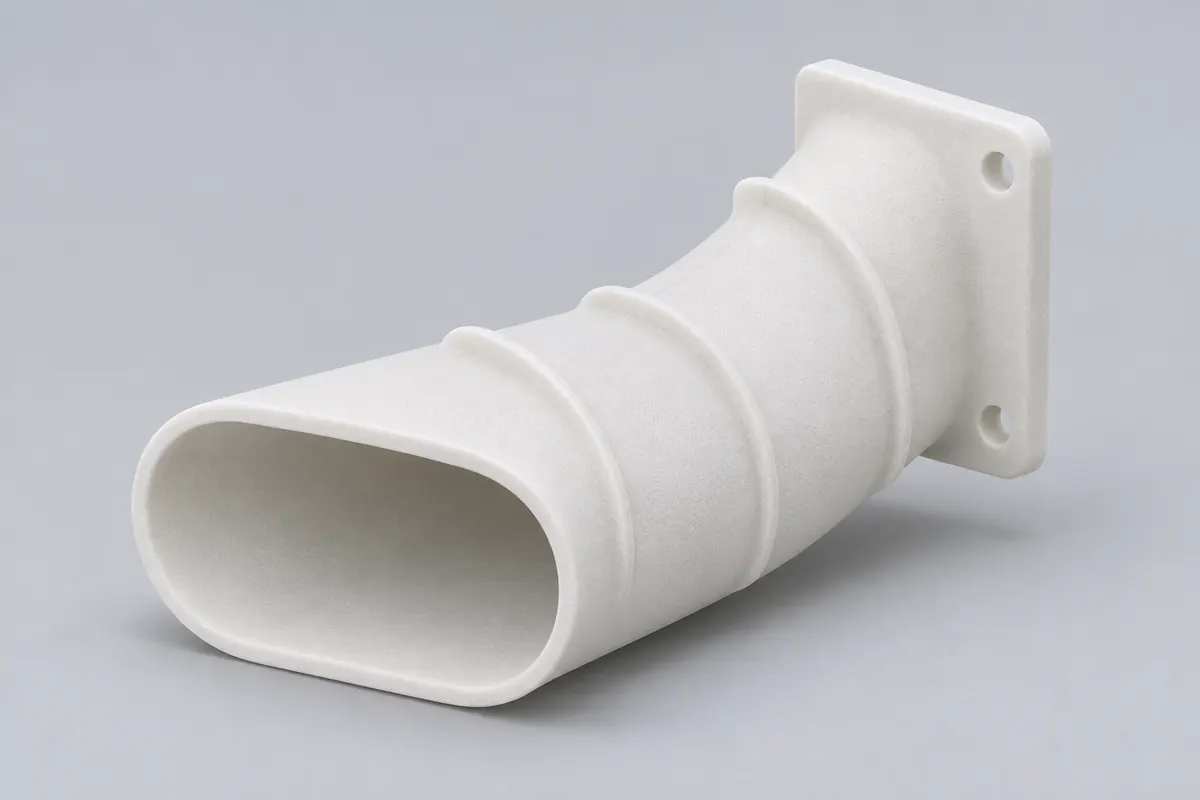
Complex Geometry Without Dedicated Tooling
Create internal channels, lattices, thin-wall forms, and organic surfaces that can be difficult or costly to produce with conventional machining or tooling.
Capabilities
CNC MachiningCNC milling, 5-axis machining & CNC turning› 3D PrintingSLA, MJF, SLS & DMLS 3D printing› Vacuum CastingSilicone mold making, urethane casting & vacuum-cast prototypes› Sheet Metal FabricationLaser cutting, bending & welding› Injection MoldingLow-volume, insert & overmolding› Rapid ToolingPrototype tooling for molded-part validation› Die CastingAluminum, zinc & magnesium die casting› Metal StampingPrecision & progressive stamping› Surface FinishingBlasting, anodizing, plating, coating & polishing›CNC Machining
Browse by Material
AluminumLightweight, corrosion-resistant aluminum for CNC-machined prototypes, brackets, housings, and precision parts.› Stainless SteelCorrosion-resistant stainless steel for CNC-machined components, tooling, and parts used in clean or demanding environments.› SteelVersatile steel for CNC-machined structural parts, fixtures, shafts, brackets, and production tooling.› ZincZinc for compact die-cast housings, hardware, and detailed industrial components where fine detail matters.› CopperHigh-conductivity copper for electrical contacts, connectors, heat-transfer parts, and precision components.› BrassMachinable brass for fittings, valves, electrical hardware, bushings, and precision turned parts.› TitaniumHigh-strength, lightweight titanium for aerospace, medical, and performance-critical machined components.› MagnesiumUltra-lightweight magnesium for weight-sensitive housings, structural components, and machined prototypes.› BronzeWear-resistant bronze for bushings, bearings, marine hardware, and sliding mechanical components.› IronDurable iron for fixtures, tooling, structural components, and wear-focused industrial applications.› ABSImpact-resistant ABS for machined prototypes, housings, fixtures, and functional appearance parts.›3D Printing Services
GD Prototyping provides SLA, MJF, SLS, and DMLS 3D printing services for rapid design validation, complex geometries, functional prototypes, and low-volume manufacturing projects.
3D printing is an additive manufacturing process that builds physical parts layer by layer from digital CAD data, without dedicated production tooling. It gives product teams a direct way to assess geometry, fit, assembly, and selected functional requirements before committing to a longer production route.
The right 3D printing process depends on material, surface expectations, mechanical performance, feature size, quantity, and post-processing needs. Resin processes prioritize detail and smooth surfaces, while powder-based polymer and metal processes support functional parts where geometry, strength, and downstream machining or finishing must be considered together.
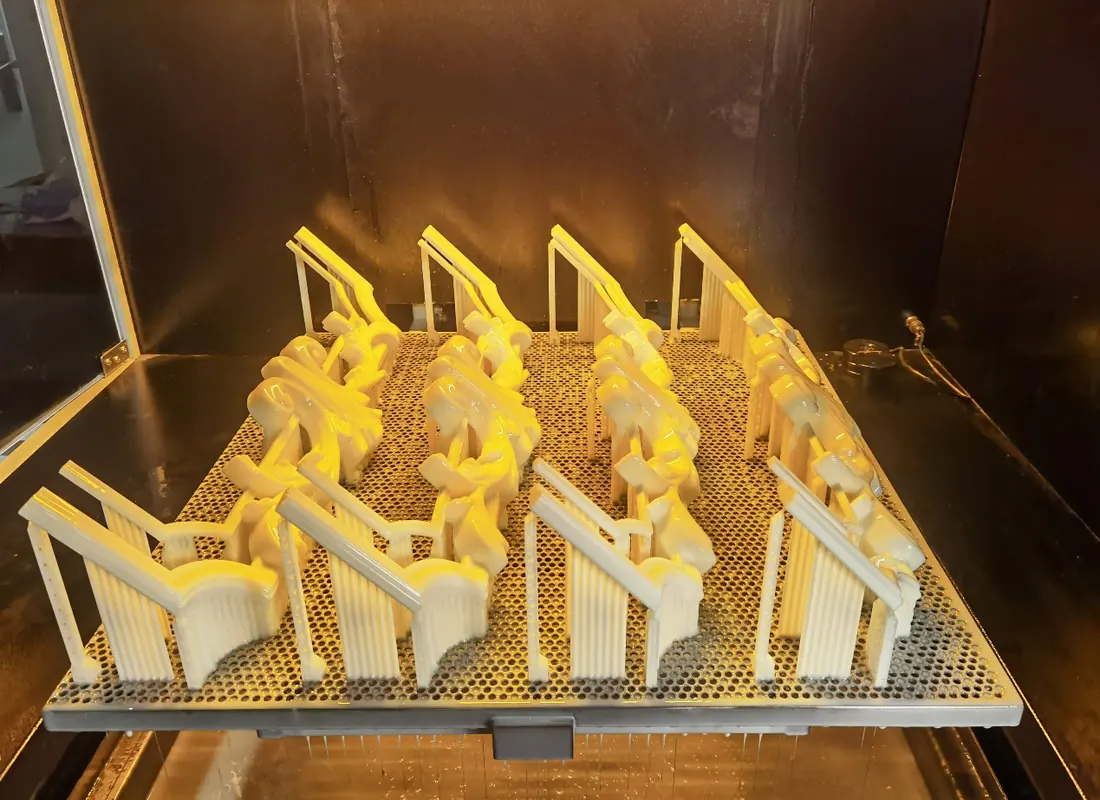
Create internal channels, lattices, thin-wall forms, and organic surfaces that can be difficult or costly to produce with conventional machining or tooling.
Move from CAD to a physical 3D printing prototype without dedicated tooling, so fit, assembly, and design decisions can be tested before production investment.
Choose resin, nylon, or metal additive manufacturing according to surface appearance, stiffness, heat resistance, or functional test requirements.
Combine printing with machining, finishing, and inspection when critical interfaces or surface requirements need a controlled path beyond the build.
Combine compatible brackets, ducts, housings, or internal features into fewer components where the design and assembly requirements allow it.

High-resolution resin 3D printing for detailed prototypes, smooth surfaces, and visual or fit-check models.

Industrial nylon 3D printing for durable functional prototypes, housings, clips, and repeat low-volume parts.

Selective laser sintering for durable nylon 3D printing, complex geometries, and functional prototype parts.

Metal 3D printing for complex components requiring material performance, post-machining, or controlled finishing.
How It Works
Send your CAD files with quantity, application, material, surface, and critical feature requirements.
Our engineering team reviews geometry, wall thickness, feature access, and performance needs to recommend a suitable 3D printing process and material.
We plan build orientation, support strategy, post-processing needs, and provide a clear project quotation for confirmation.
Approved parts are produced through the selected additive manufacturing route, with build settings matched to the part’s geometry and intended use.
Parts receive the required support removal, cleaning, curing, depowdering, machining, or finishing before relevant features are inspected.
Finished 3D printing parts are packed for transit and delivered with the agreed project communication and documentation.
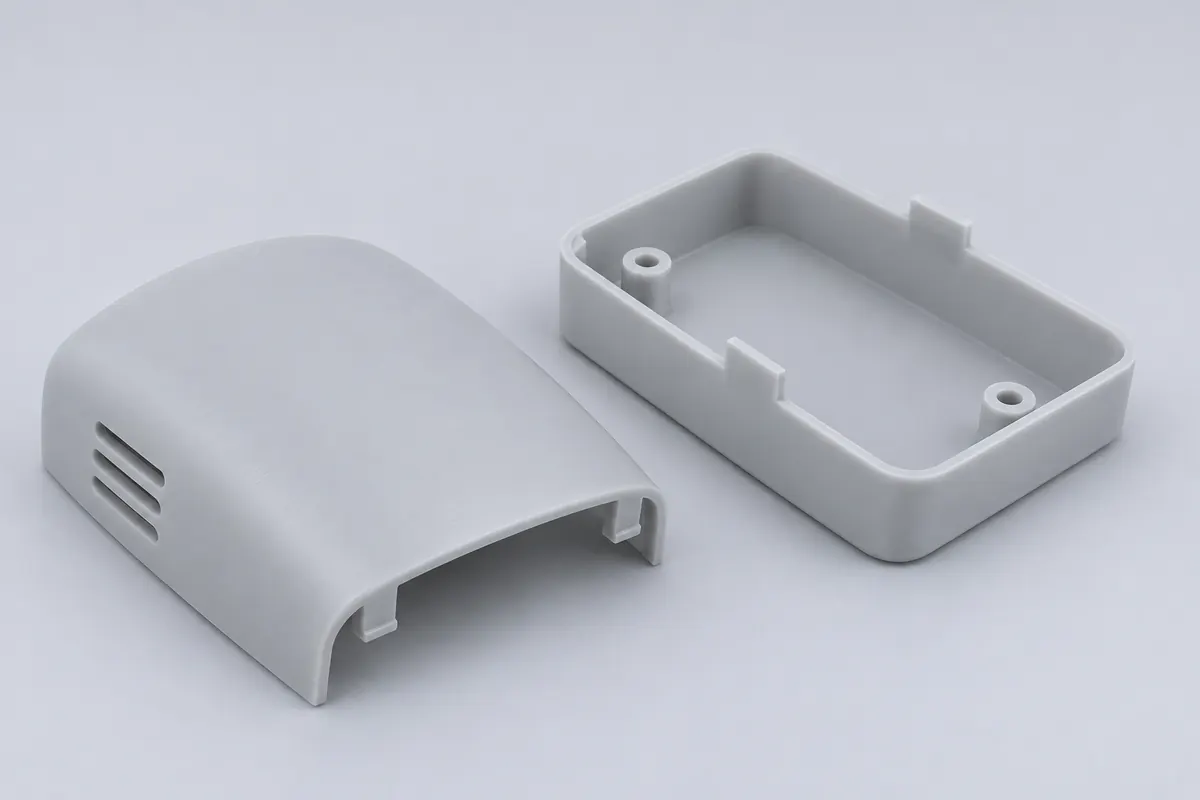
Smooth surface and fine detail for appearance prototypes.
Best for: visual models
Corrosion-resistant metal option for complex parts.
Best for: functional metal prototypes
Abrasive blasting for matte textures and metal surface preparation before coating.

Industrial painting for specified colors, gloss levels, and application-specific surface protection.

Mechanical polishing for smoother surfaces and satin, bright, or mirror finishes.
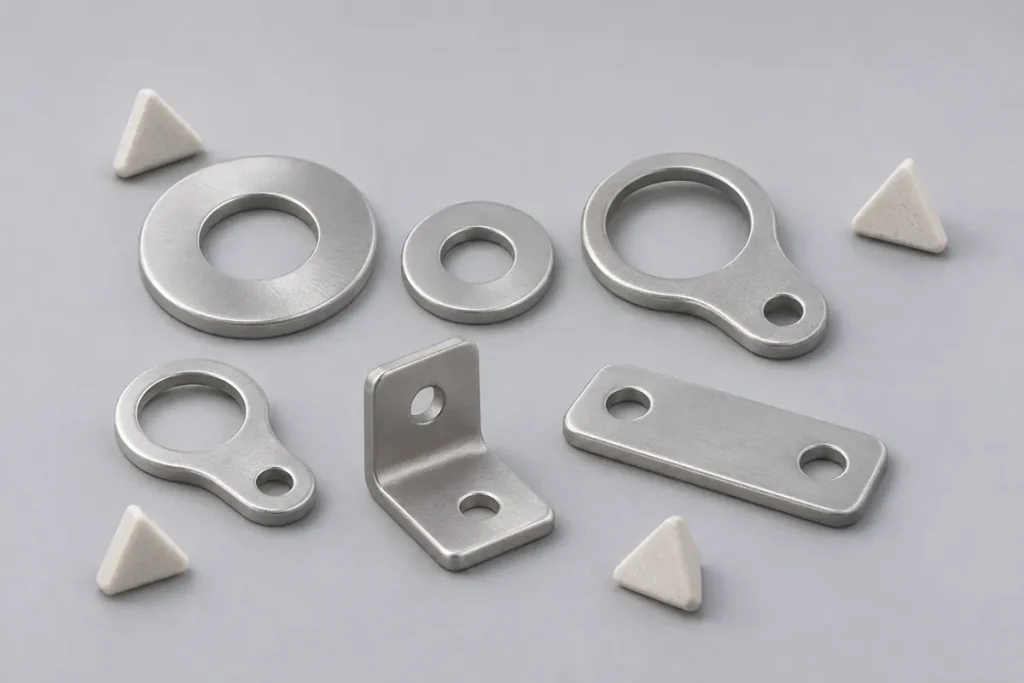
Batch deburring, edge rounding, and surface smoothing for suitable manufactured parts.

Controlled heat treatment to adjust alloy properties or relieve residual stress.
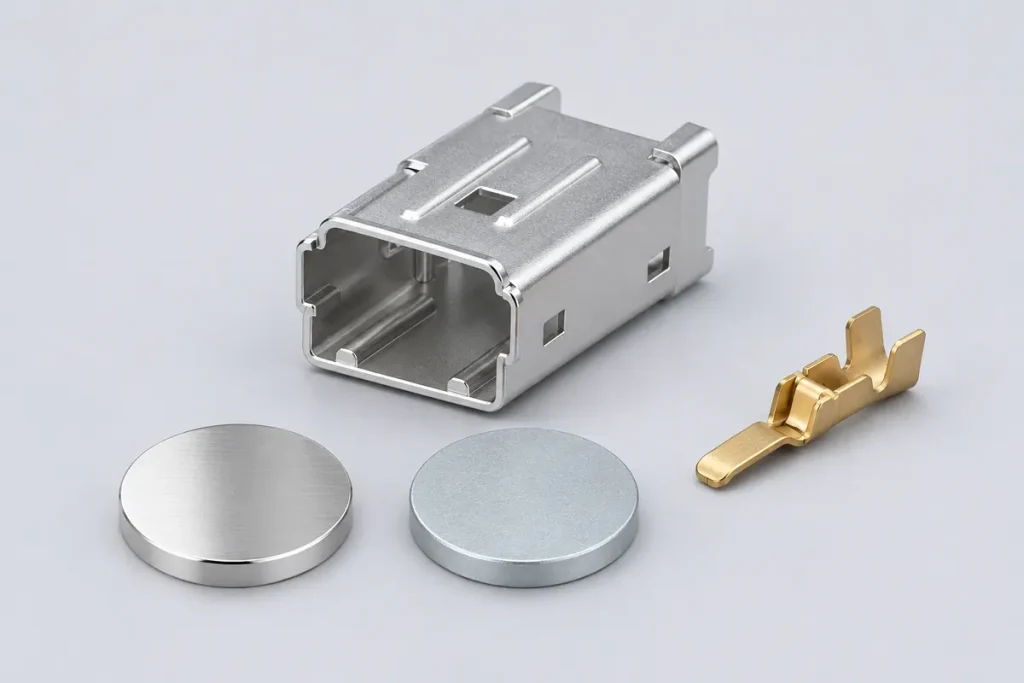
Electrically deposited metal coatings for protective, conductive, or decorative applications.
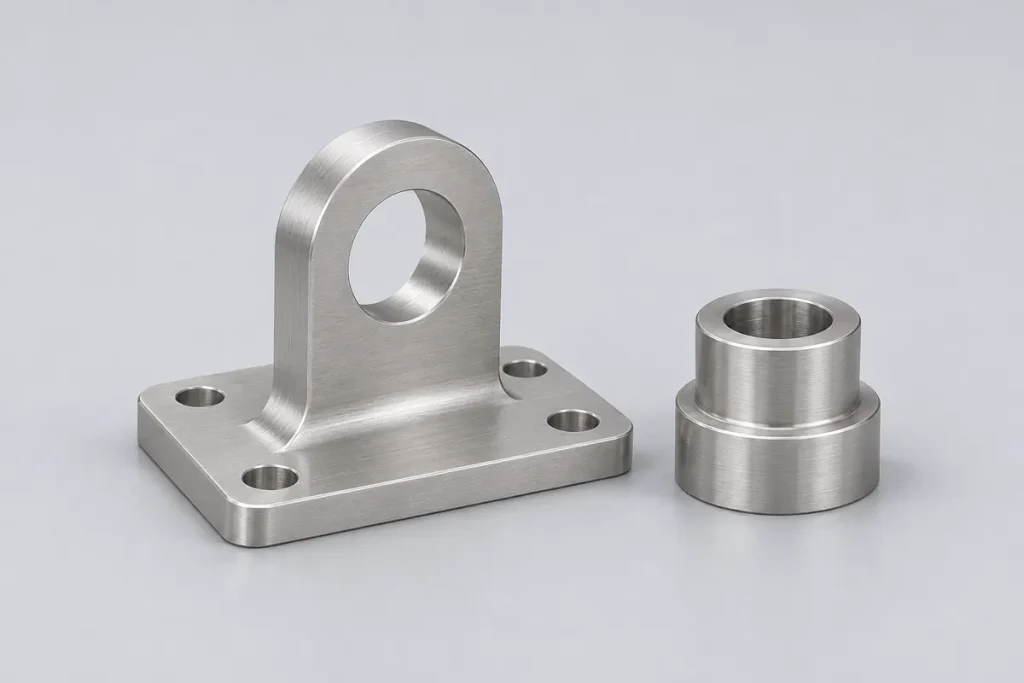
Removes free iron contamination from stainless steel to support corrosion resistance.

Electrochemical smoothing and brightening for compatible metal components.

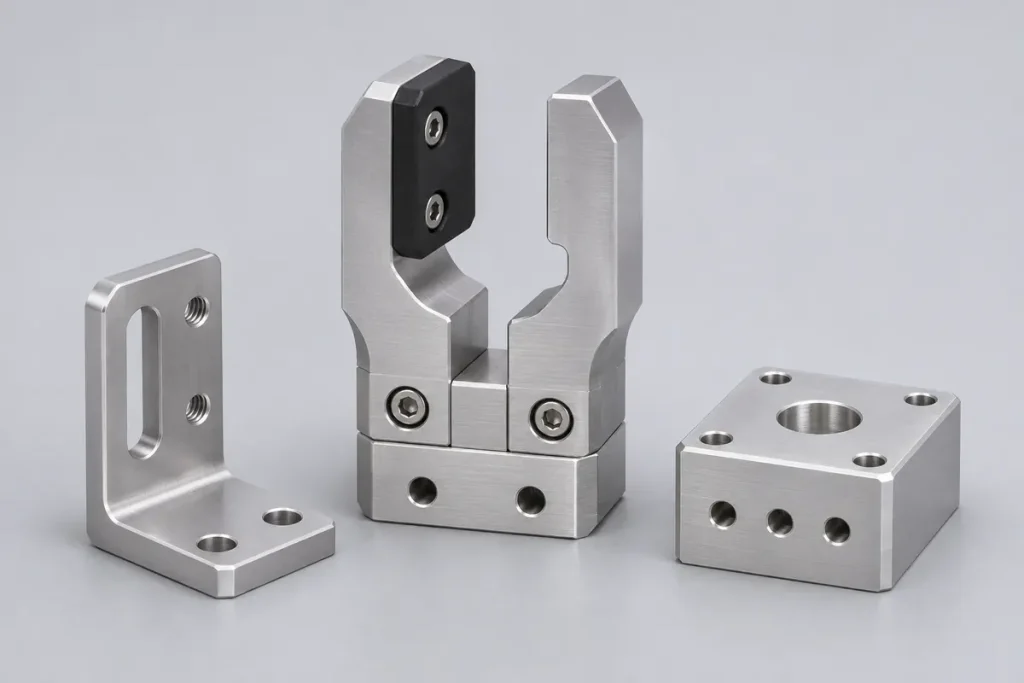
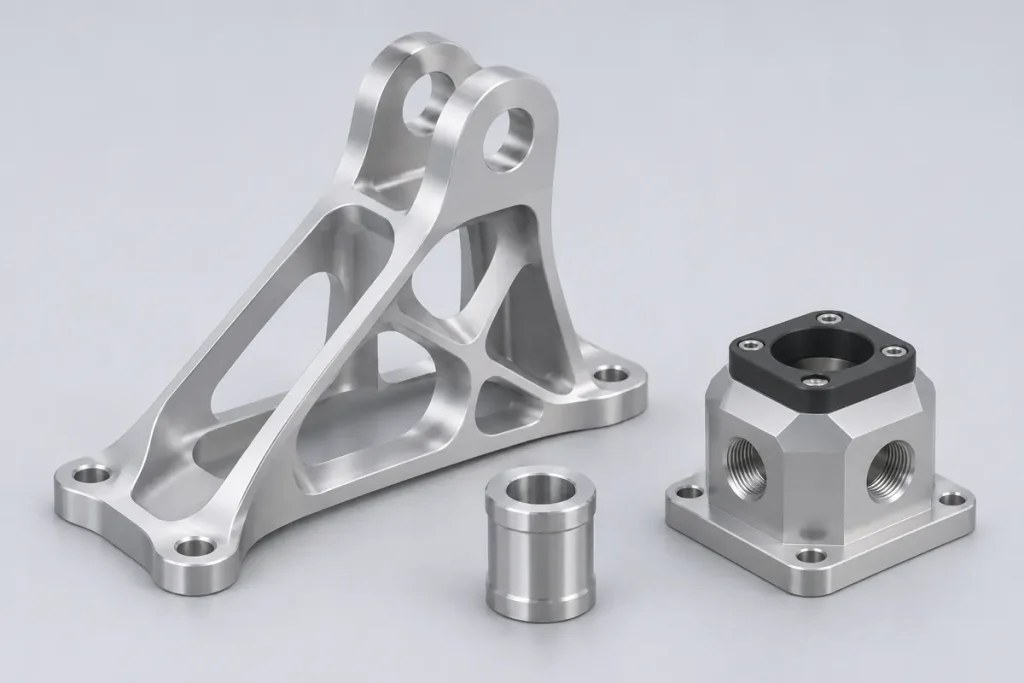

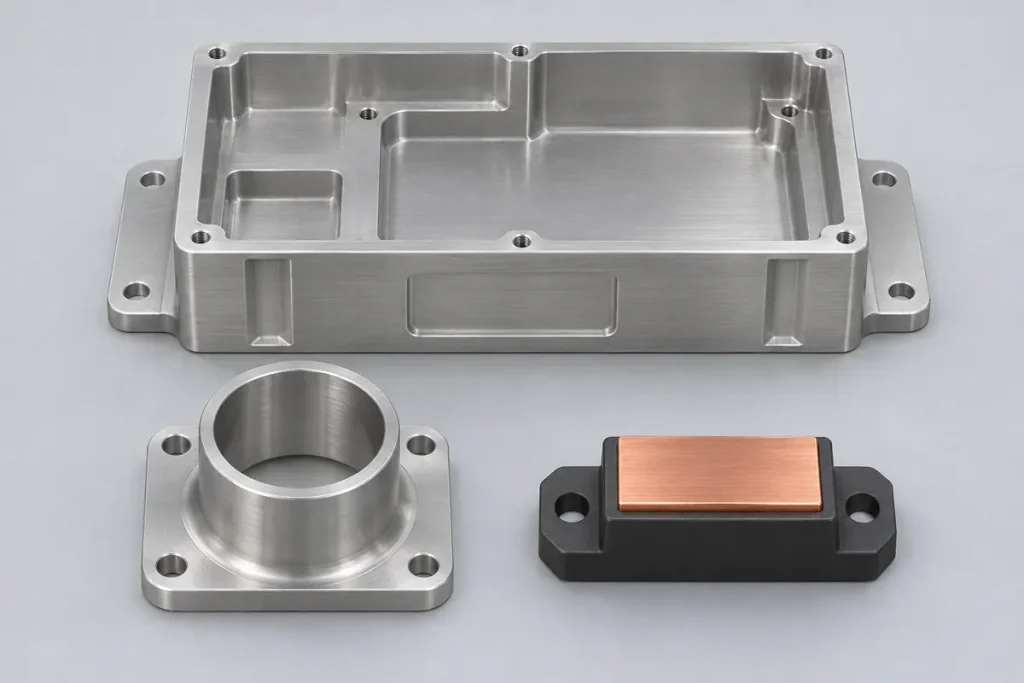

Advantages
We help engineering teams choose the right 3D printing process, confirm manufacturability risks, and connect additive manufacturing with CNC machining, finishing, and inspection when the part requires more complete manufacturing support.
Select resin, nylon, or metal additive manufacturing according to the part’s intended use, not simply its appearance or print speed.
Plan machining, threads, critical interfaces, and finishing requirements alongside the printing process when the part requires more than a direct build.
Build orientation, support placement, and post-processing allowances are considered around features that affect fit, appearance, or downstream assembly.
Move from early design iterations to validation builds and repeat low-volume parts with a manufacturing route matched to each project stage.
CAD files, revision updates, technical requirements, and project communication are managed with clear records throughout the manufacturing process.
Parts are prepared for evaluation, assembly, testing, or further production work, with packing and delivery coordinated around project requirements.
FAQ
SLA is suited to fine detail and smooth surfaces; MJF and SLS are often selected for durable nylon parts; DMLS is used for complex metal components. The best option depends on your part’s function, material, and finish requirements.
Yes. Industrial 3D printing can support fit checks, assembly validation, fixtures, and selected functional testing when the material and process match the application.
Yes. Critical faces, holes, threads, and mating features can be post-machined when the part requires tighter control than the printing process alone can provide.
A 3D CAD file is recommended. Include drawings or notes for critical dimensions, material, quantity, finishing, and application requirements.
Yes. A 3D printing service can be effective for prototypes, validation batches, fixtures, and repeat low-volume parts when dedicated tooling is not the most practical route.
Our commitment does not end at delivery. We provide comprehensive after-sales support to ensure your satisfaction and long-term success.
Ongoing technical support to address questions and improve future designs.
Rapid investigation and corrective action to resolve any quality concerns.
Detailed inspection reports and certificates available with every order.
Documented processes and tooling management ensure consistency for repeat orders.
Secure packaging and logistics coordination across orders.
Easy reorder process and manufacturing communication.
Send your CAD files, material targets, finishing expectations, and application notes. We will review your project and recommend a practical manufacturing route.