
Zinc Alloy Parts & Material Selection
From detailed castings to finished components.
Explore zinc grades for custom zinc alloy parts, with manufacturing and finishing options selected around your design and production needs.
Get a Quote
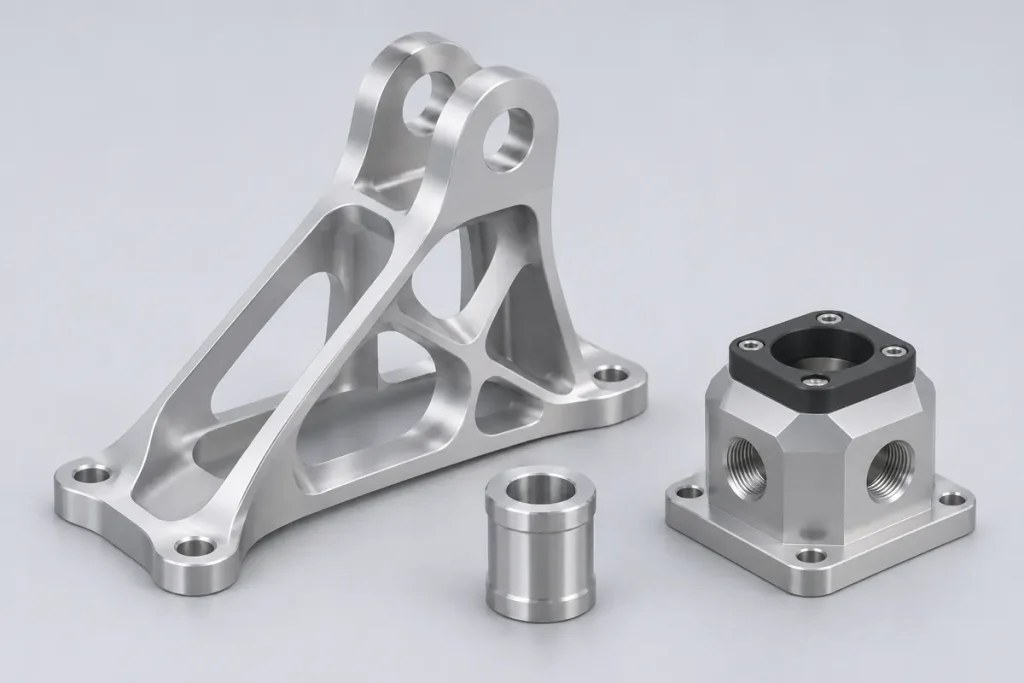
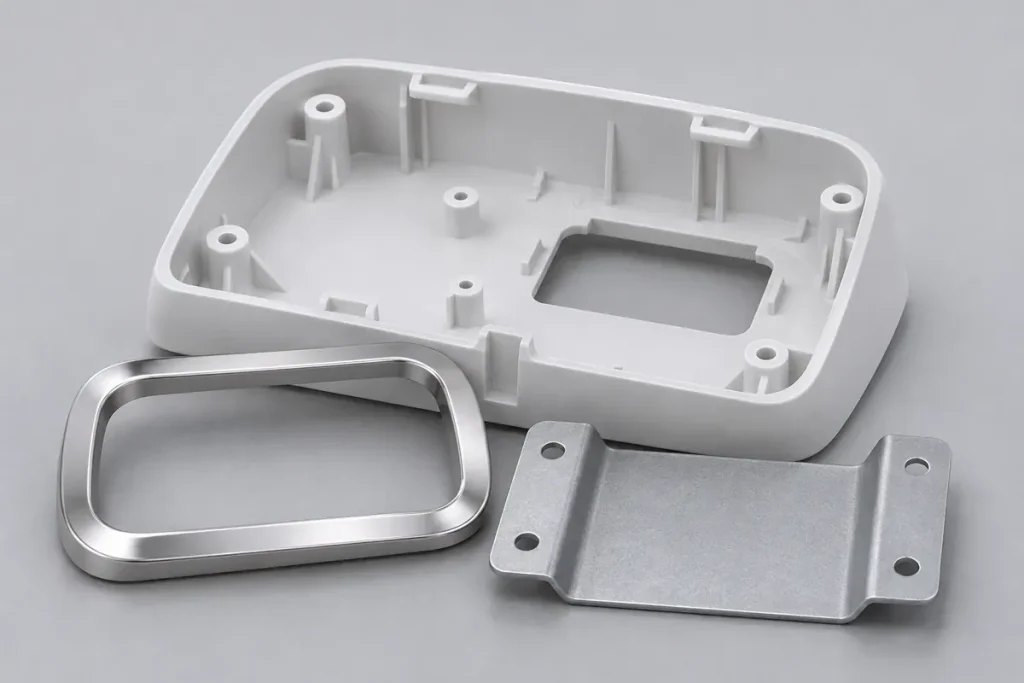
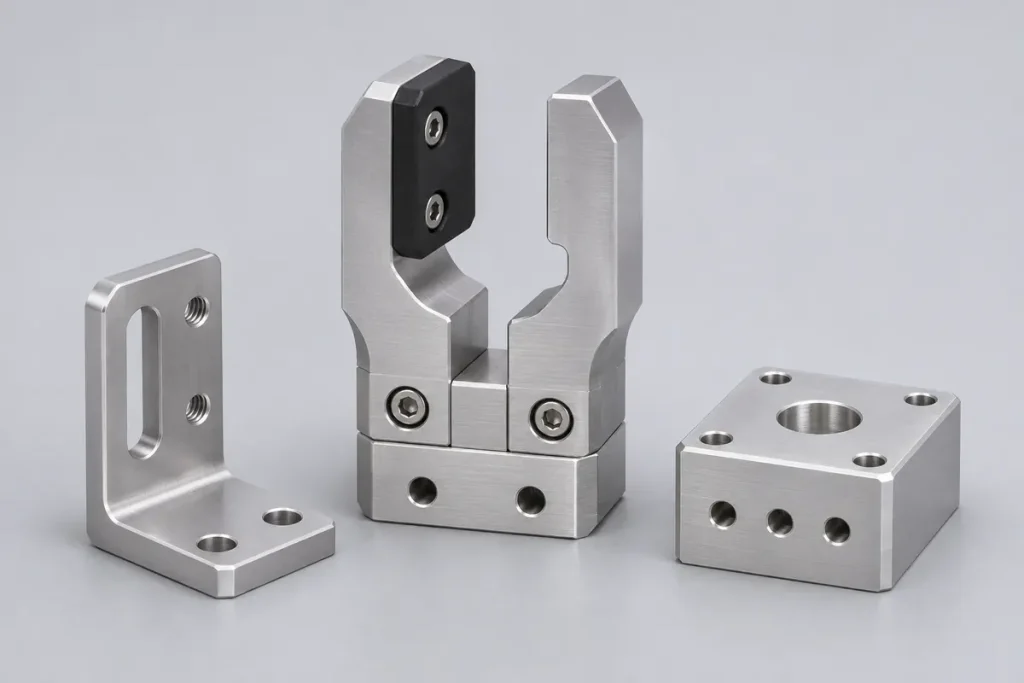
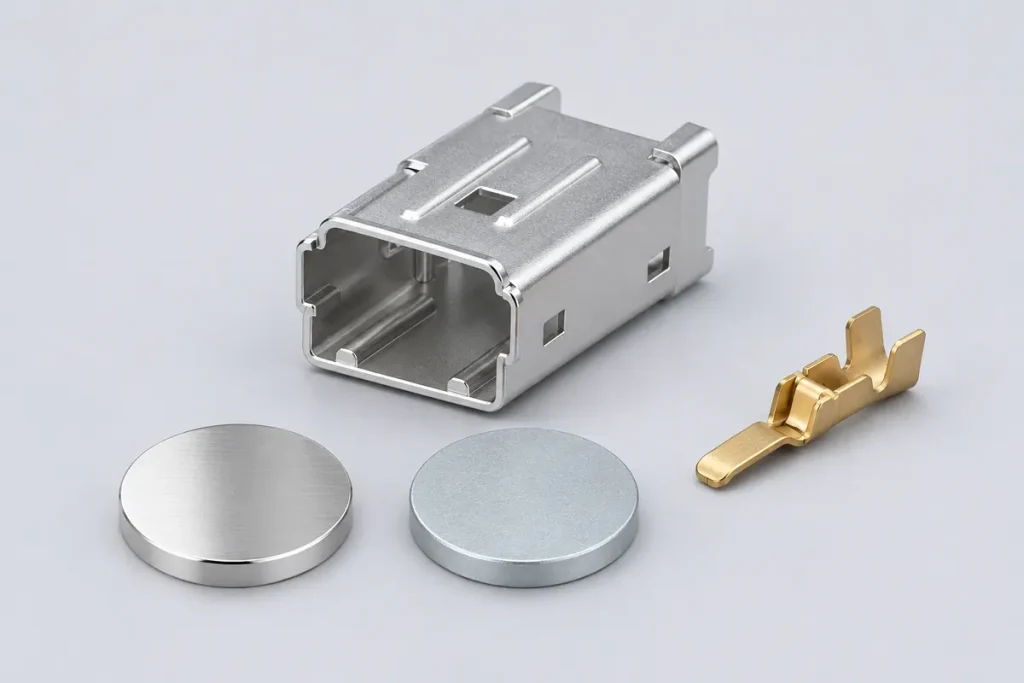
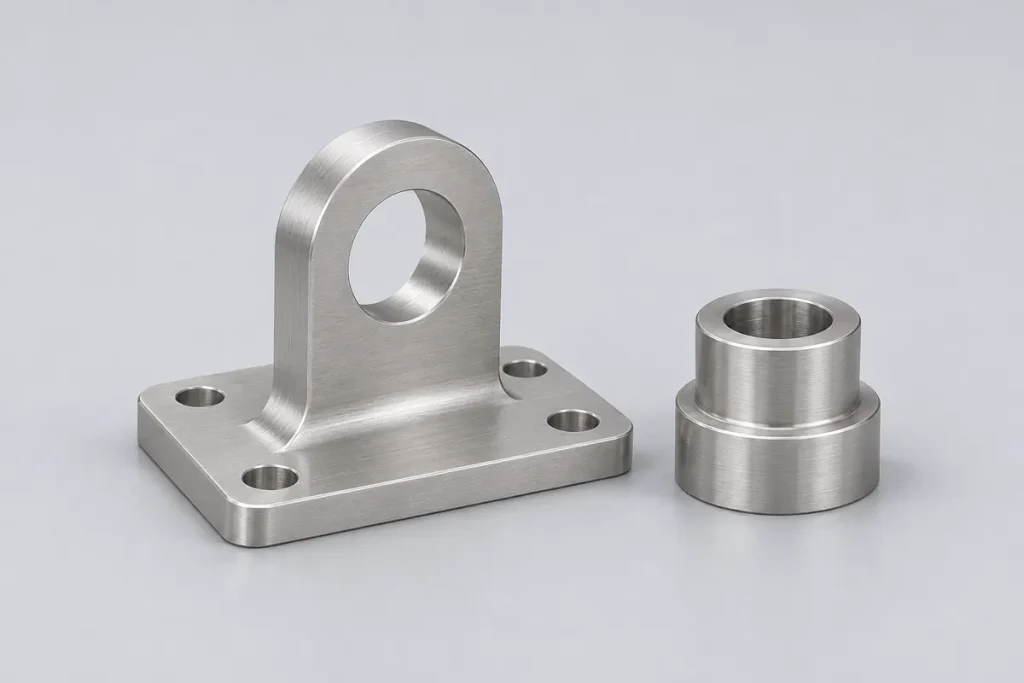
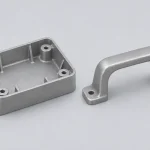
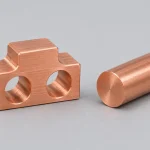
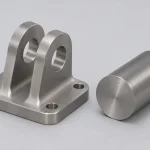
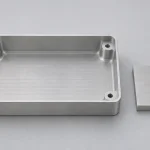
Illustration · Representative material, component and finish examples, not production records. Final material condition and finish are confirmed for each project.
Metal Materials
About Zinc
Zinc alloys are widely used for die-cast components that combine detailed geometry, dimensional consistency, and finish-ready surfaces. Zinc alloy machining can be used after casting to produce critical holes, threads, and mating features.
- Price
- Quote-based
- Lead Time
- Confirmed with quote
- Wall Thickness
- Design and process dependent
- Tolerances
- Drawing and process dependent
- Max Part Size
- Design and process dependent
- Grades for Review
- Zamak 3, Zamak 5, ZA-8, SHG zinc
Mechanical properties are typical values for pressure-die-cast specimens, 1.5 mm thick, tested at 20°C eight weeks after casting. Elongation uses a 70 mm gauge length. Alloy densities are approximate theoretical values at 21°C with zero porosity. Actual part properties depend on casting conditions and aging. SHG zinc is listed separately; dashes indicate values not specified here.
View All MaterialsAdvantages & Considerations of Zinc
Advantages
- Detailed Cast Features: Suitable zinc alloys can reproduce fine details and compact features during die casting.
- Dimensional Consistency: Die casting can produce repeatable part geometry when tooling and process conditions are controlled.
- Finishing Options: Zinc castings can be prepared for plating, painting, and other compatible finishes.
- Secondary Machining: Critical holes, threads, and mating surfaces can be machined after casting when required.
- Production Efficiency: For suitable designs and quantities, die casting can reduce the amount of machining needed per part.
Considerations
- Weight: Zinc alloys are denser than aluminum and magnesium alloys, which may affect weight-sensitive designs.
- Temperature and Loading: Long-term loads and elevated temperatures require an assessment of strength and creep.
- Tooling Investment: For zinc alloy prototyping or low volumes, compare tooling cost and lead time with the project’s validation needs.
Common Applications
of Zinc
AerospaceAerospace prototypes and custom parts for engineering evaluation.
AutomotiveCustom automotive parts for prototypes and low-volume production.
Electronic AppliancesCustom appliance parts and enclosures for product development.
MedicalMedical device prototypes, custom housings, and mechanical components.
AutomationCustom robotic parts, fixtures, and automation equipment components.
Surface Finishing Options
for Zinc
Electroplating
Electrically deposited metal coatings for protective, conductive, or decorative applications.
Painting
Industrial painting for specified colors, gloss levels, and application-specific surface protection.
Powder Coating
Cured powder coatings for metal parts, with varied colors and textures.
Passivation
Removes free iron contamination from stainless steel to support corrosion resistance.
As Machined
CNC machined surfaces retaining tool marks without additional cosmetic finishing.
Our Commitment
Support for Your Zinc Alloy Parts
Plan zinc alloy parts manufacturing around material selection, tooling, finishing, and inspection requirements.
Material Selection
Compare zinc grades against the part’s loading, finish, and manufacturing requirements.
Manufacturing Review
Review casting geometry, tooling needs, and quantities before production.
Post-Machining
Evaluate machining requirements for critical holes, threads, and mating surfaces.
Surface Finishing
Review zinc alloy surface finishing options against appearance and service conditions.
Quality Inspection
Define dimensional and visual checks according to project requirements.
Project Support
Discuss quotation, lead time, and delivery requirements with our team.
Ready to Produce Zinc Alloy Parts?
Share your drawings and requirements for material guidance, manufacturing review, and a project quote.
- Engineering Review
- Material Guidance
- Project Support


Nov 8, 2026
Nov 8, 2026
Sep 18, 2026