



 Confidential File Handling
 DFM & Tooling Review
 Prototype to Production Support

Repeatable Plastic Parts
Once the mold and process are validated, controlled molding conditions help maintain repeatable geometry, fit, and surface results across production runs.
Capabilities
CNC MachiningCNC milling, 5-axis machining & CNC turning› 3D PrintingSLA, MJF, SLS & DMLS 3D printing› Vacuum CastingSilicone mold making, urethane casting & vacuum-cast prototypes› Sheet Metal FabricationLaser cutting, bending & welding› Injection MoldingLow-volume, insert & overmolding› Rapid ToolingPrototype tooling for molded-part validation› Die CastingAluminum, zinc & magnesium die casting› Metal StampingPrecision & progressive stamping› Surface FinishingBlasting, anodizing, plating, coating & polishing›CNC Machining
Browse by Material
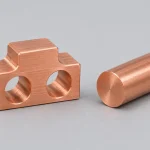
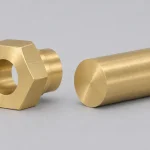
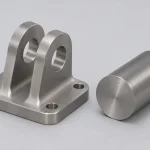
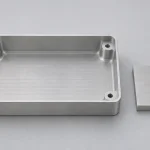
AluminumLightweight, corrosion-resistant aluminum for CNC-machined prototypes, brackets, housings, and precision parts.› Stainless SteelCorrosion-resistant stainless steel for CNC-machined components, tooling, and parts used in clean or demanding environments.› SteelVersatile steel for CNC-machined structural parts, fixtures, shafts, brackets, and production tooling.› ZincZinc for compact die-cast housings, hardware, and detailed industrial components where fine detail matters.› CopperHigh-conductivity copper for electrical contacts, connectors, heat-transfer parts, and precision components.› BrassMachinable brass for fittings, valves, electrical hardware, bushings, and precision turned parts.› TitaniumHigh-strength, lightweight titanium for aerospace, medical, and performance-critical machined components.› MagnesiumUltra-lightweight magnesium for weight-sensitive housings, structural components, and machined prototypes.› BronzeWear-resistant bronze for bushings, bearings, marine hardware, and sliding mechanical components.› IronDurable iron for fixtures, tooling, structural components, and wear-focused industrial applications.› ABSImpact-resistant ABS for machined prototypes, housings, fixtures, and functional appearance parts.›Injection Molding Services
Custom injection molding service for repeatable thermoplastic parts, with DFM review, tooling planning, material selection, and production-ready quality control.
Injection molding is a manufacturing process that creates plastic parts by injecting molten thermoplastic into a precision mold cavity. As the material cools and solidifies, it replicates the cavity’s geometry, surface texture, and functional features.
Custom injection molding turns a validated part design into repeatable components. Resin behavior, wall thickness, draft, gating, cooling, tooling, tolerances, and cosmetic requirements are planned together to balance part function, production consistency, and manufacturing efficiency.
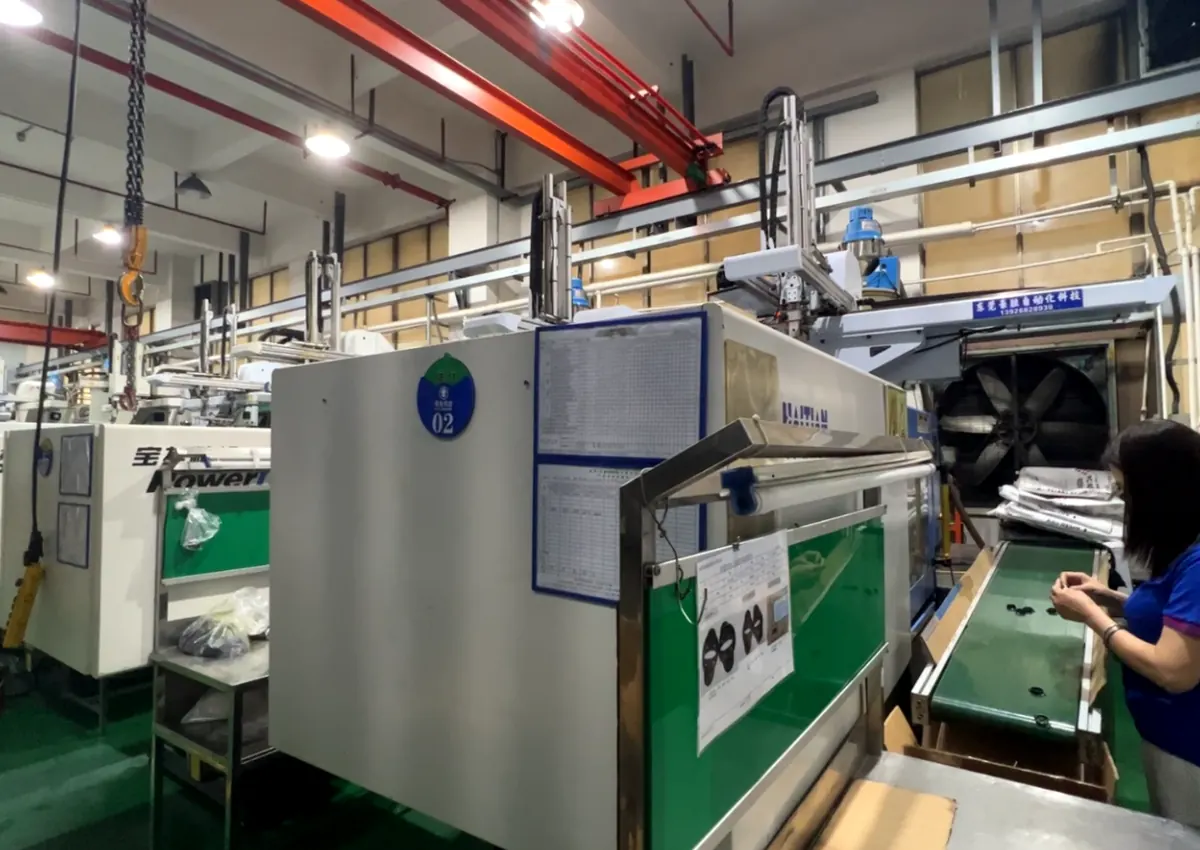
Once the mold and process are validated, controlled molding conditions help maintain repeatable geometry, fit, and surface results across production runs.
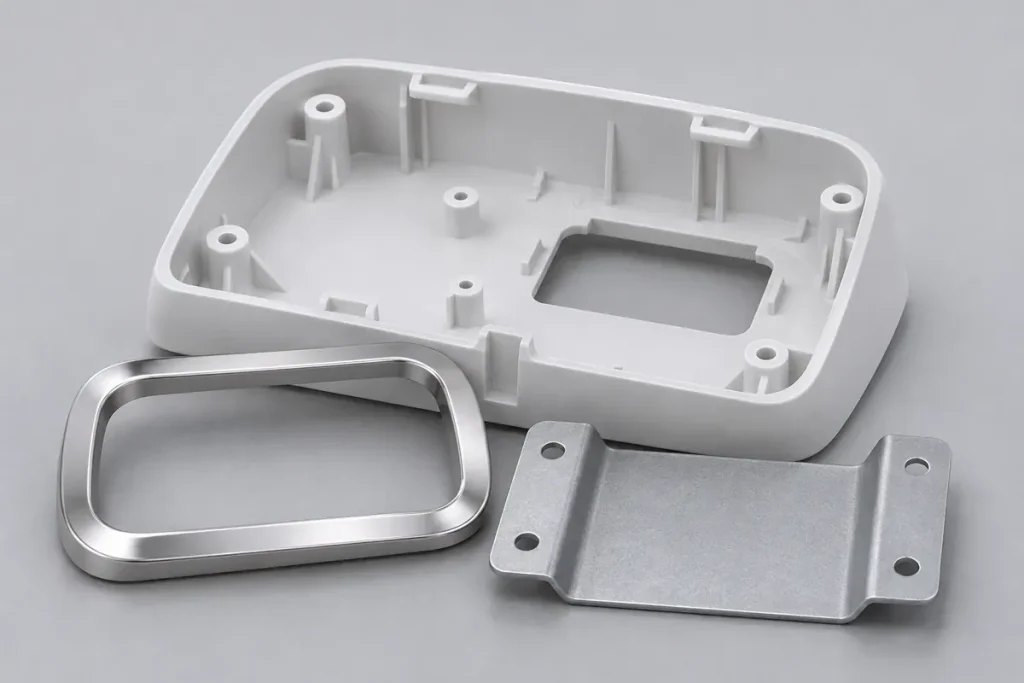
Ribs, bosses, clips, openings, and internal support features can be designed into one plastic injection molded part, reducing part count and assembly steps.
Thermoplastic materials can be selected around stiffness, impact resistance, wear, chemical exposure, operating temperature, and appearance requirements.
Tooling requires an upfront investment, but once qualified, custom injection molding can support consistent output and lower per-part cost as demand grows.
Mold texture, color requirements, visible surfaces, critical interfaces, and secondary operations can be planned early for a more complete production-ready part.

Low-volume injection molding for bridge production, validation, and controlled batches of production-intent plastic parts.
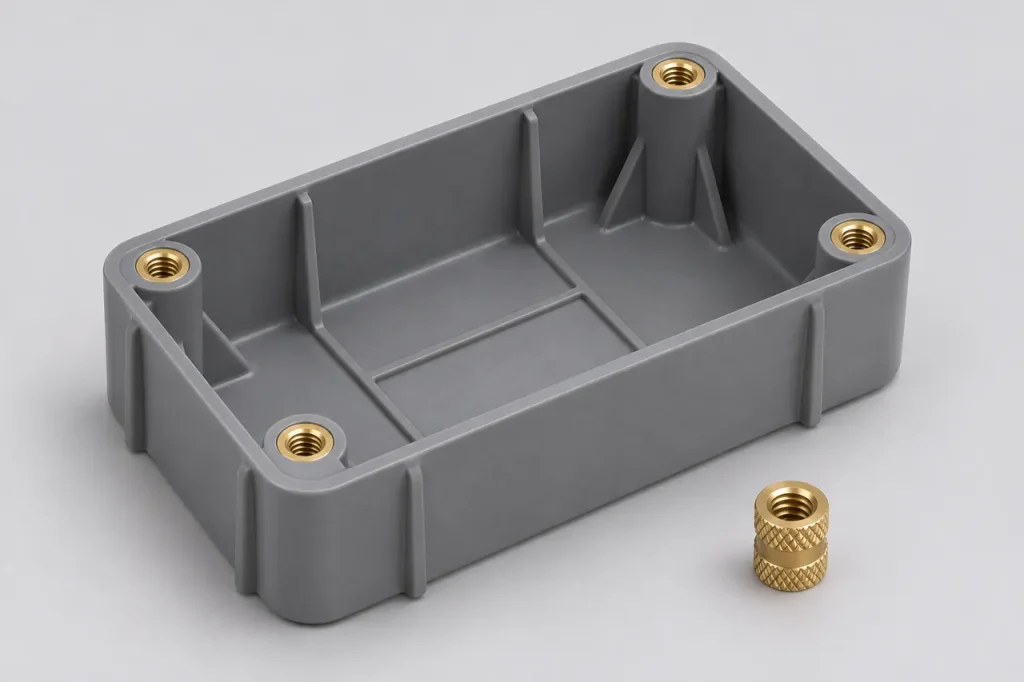
Insert molding integrates metal or other prepared components into molded plastic parts for durable, simplified assemblies.
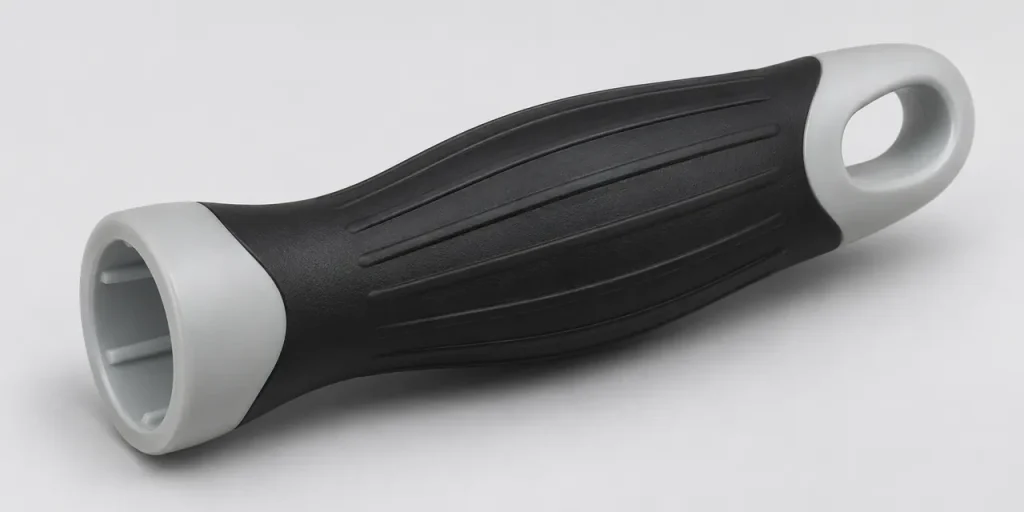
Injection overmolding combines a substrate with a compatible overmold material to create integrated multi-material parts.
How It Works
We review CAD data, critical dimensions, wall sections, draft, parting direction, and assembly requirements before committing to a molding route.
The resin is selected around mechanical performance, operating conditions, appearance, and the required behavior of the finished plastic part.
Tooling requirements are planned around part geometry, expected demand, tolerance priorities, surface requirements, and the overall production objective.
The mold is prepared with the appropriate gating, cooling, ejection, and part-release considerations for the selected resin and part design.
Process conditions are set for the approved mold and material, followed by any specified finishing, marking, assembly, or secondary work.
Parts are checked against agreed drawing, appearance, and functional requirements before packing and delivery planning.
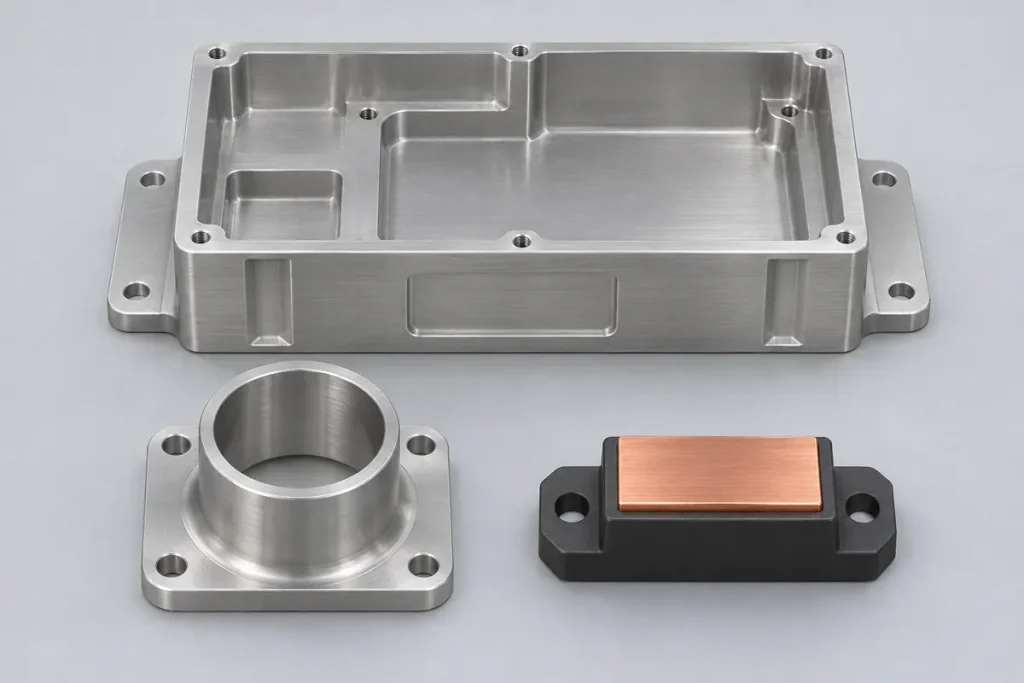
 Illustrative material appearance; final grade and finish are project-specific.
Impact-resistant ABS for machined prototypes, housings, fixtures, and functional appearance parts.
General-Purpose ABS
Mold surface grades for specifying gloss and texture on injection-molded parts.

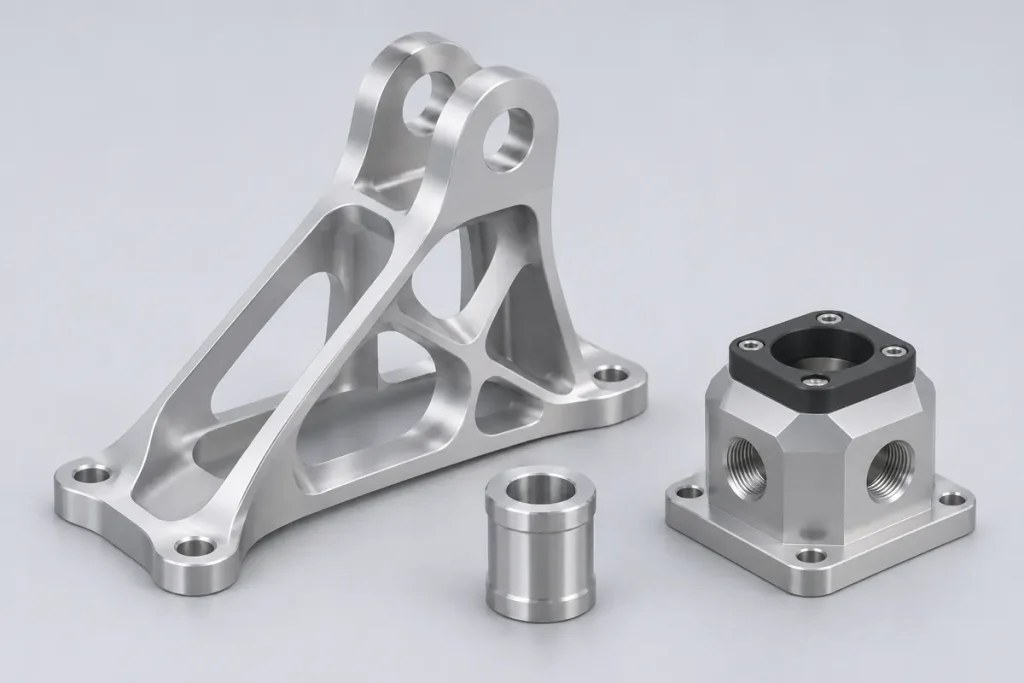
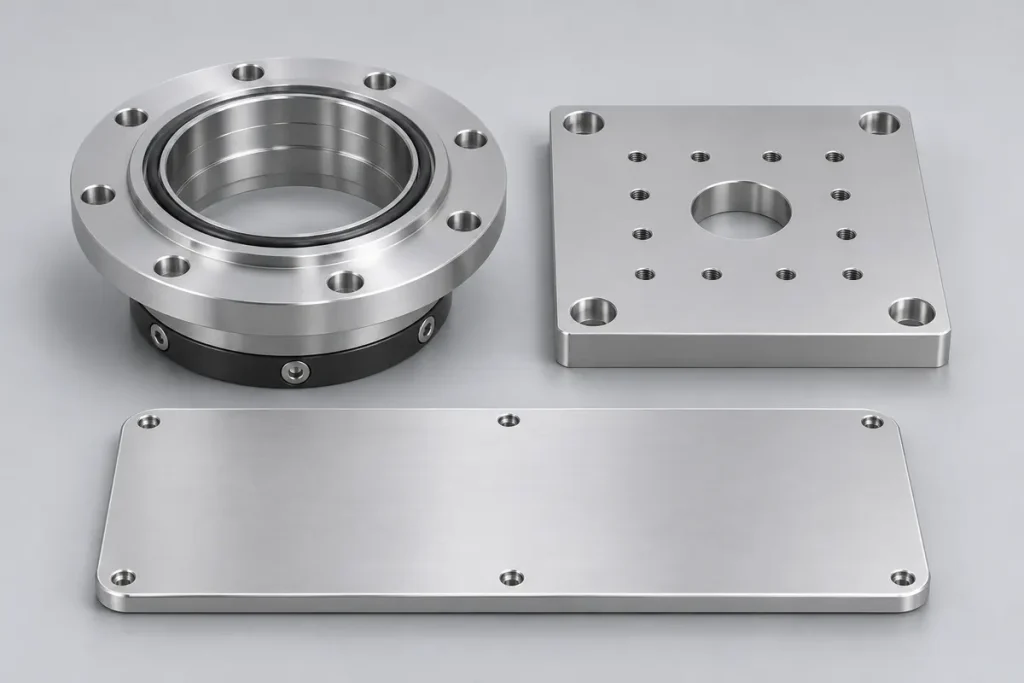
Mechanical polishing for smoother surfaces and satin, bright, or mirror finishes.

Industrial painting for specified colors, gloss levels, and application-specific surface protection.

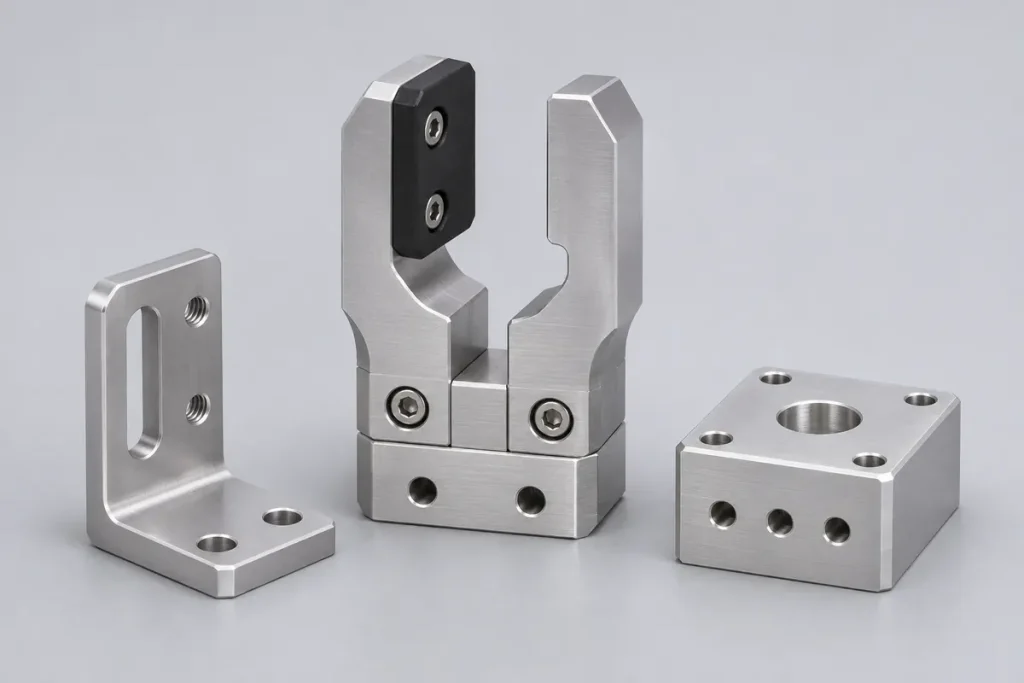
Abrasive blasting for matte textures and metal surface preparation before coating.



Advantages
GD Prototyping connects engineering review, tooling planning, injection molding, secondary operations, inspection, and delivery coordination in one controlled workflow for custom plastic parts.
We review part geometry, draft, wall transitions, critical interfaces, and moldability before the production route is confirmed.
Injection molding tooling is planned around part complexity, tolerance priorities, surface requirements, expected demand, and future product changes.
Material options are reviewed against mechanical performance, environment, appearance, wear, assembly, and the intended use of the finished part.
Critical dimensions, visible surfaces, functional interfaces, and agreed inspection points are identified before production begins.
Tooling, plastic injection molding, finishing, marking, assembly, and packaging can be coordinated as one project plan.
Requirements, revisions, approvals, and delivery details remain visible throughout the project, helping teams make decisions with greater confidence.
FAQ
Send your CAD model or drawing, material preference, quantity, color or finish needs, critical dimensions, and delivery requirements.
A DFM review checks wall thickness, draft, undercuts, parting direction, tolerances, and material flow before tooling is planned.
Yes. Material selection is based on the part’s strength, impact, temperature, chemical exposure, wear, appearance, and assembly needs.
Yes. Project-specific finishing, marking, insert installation, assembly, and packaging can be coordinated when required.
Inspection is planned around the agreed drawing, critical dimensions, visible surfaces, functional interfaces, and any required documentation.
Our commitment does not end at delivery. We provide comprehensive after-sales support to ensure your satisfaction and long-term success.
Ongoing technical support to address questions and improve future designs.
Rapid investigation and corrective action to resolve any quality concerns.
Detailed inspection reports and certificates available with every order.
Documented processes and tooling management ensure consistency for repeat orders.
Secure packaging and logistics coordination across orders.
Easy reorder process and manufacturing communication.
Send your files, drawings, material notes, quantity, finish requirements, and critical features for a project-specific review.


