Bronze Machining for Custom Parts

Wear-resistant material options for engineered components.

GD Prototyping supports bronze CNC machining for custom parts, from functional prototypes to low-volume production.

Get a Quote for Bronze Parts
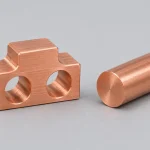
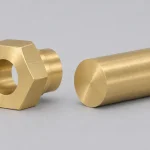
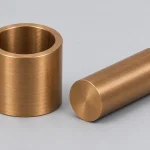
Illustrative bronze sleeve bushing and round bar

Engineering Metals

About Bronze

Bronze and related copper alloys offer different combinations of strength, wear resistance, and corrosion resistance. Bronze material selection depends on the part geometry, operating load, lubrication, service environment, and lead-content requirements.

Price
Quote-based
Lead Time
Confirmed with your quote
Wall Thickness
Based on part geometry and process
Tolerances
Based on drawing requirements
Max Part Size
Confirmed by part geometry and machine capacity
Bronze Grades
C93200, C95400, C51000, C86300 — subject to availability
Bearing Bronze C93200 A leaded tin bronze used for bushings and bearing components. Confirm lead-content requirements for the intended application.
Material Condition Continuous cast, M07 Tensile Strength 241 MPa minimum Yield Strength, 0.5% Extension Under Load 138 MPa minimum Elongation 10% minimum Hardness 65 HB typical, 500 kg load Density Approximately 8.91 g/cm³
Aluminum Bronze C95400 A cast aluminum bronze selected for wear parts and higher-load components. Suitability depends on the load and service environment.
Material Condition Continuous cast, M07 Tensile Strength 586 MPa minimum Yield Strength, 0.5% Extension Under Load 221 MPa minimum Elongation 12% minimum Hardness 170 HB typical, 3,000 kg load Density Approximately 7.45 g/cm³
Phosphor Bronze C51000 A wrought copper-tin alloy considered for springs, contacts, and wear components. Properties vary with material form and temper.
Material Condition H02 half-hard rod, 12.7 mm section Tensile Strength 517 MPa typical Yield Strength, 0.5% Extension Under Load 448 MPa typical Elongation 25% typical Hardness 80 HRB typical Density Approximately 8.86 g/cm³
Manganese Bronze C86300 Known as manganese bronze, C86300 is a high-strength copper-zinc alloy used for heavily loaded components. Bearing applications require suitable lubrication and mating materials.
Material Condition Continuous cast, M07 Tensile Strength 758 MPa minimum Yield Strength, 0.5% Extension Under Load 427 MPa minimum Elongation 14% minimum Hardness 223 HB typical, 3,000 kg load Density Approximately 7.83 g/cm³

Values are reference data for the stated material forms and conditions, not design allowables or guaranteed part properties. For C93200, C95400, and C86300 continuous cast material, strength and elongation values are reference minima. C51000 values are typical for H02 half-hard rod with a 12.7 mm section. Hardness and density values are typical. Confirm the material specification, supplied form, and inspection requirements for each project.

Explore All Materials

Advantages & Considerations of Bronze

Advantages

  • Wear Resistance: Selected bronze alloys are used for sliding surfaces where the mating material and lubrication are properly considered.
  • Bearing Applications: Different grades provide material options for bushings, bearings, guides, and wear components.
  • Corrosion Resistance: Selected alloys offer corrosion resistance in industrial environments. Suitability depends on the fluid, temperature, and exposure.
  • Grade Options: Bearing bronze, aluminum bronze, and phosphor bronze offer different balances of strength, machinability, and wear performance.
  • Machined Features: Bronze can be machined into custom sleeves, gears, and other components, with machining requirements varying by grade.

Considerations

  • Material and Machining Cost: Cost depends on the alloy, stock form, part geometry, and machining requirements.
  • Lubrication and Mating Parts: For sliding components, review the operating load, lubrication, shaft material, and surface requirements together.
  • Lead Content: C93200 contains lead. Check application and regulatory requirements before selecting it, especially for potable water or food-contact components.

Our Commitment

Bronze Parts, From Material to Delivery

GD Prototyping supports bronze material selection, machining, and inspection through a coordinated project workflow.

Grade & Stock Review

Review the required alloy, stock form, material condition, and availability before confirming the project.

Application Review

Discuss operating loads, mating parts, lubrication, and service conditions when they affect material selection.

CNC Machining

Plan milling or turning around part geometry, clamping, and drawing requirements.

Inspection

Check agreed dimensions and visual requirements using suitable inspection methods.

Finishing Coordination

Review bronze surface finishing options according to the alloy and intended use.

Project Support

Coordinate quotations, production updates, and delivery for prototypes and low-volume orders.

Ready to Machine Bronze Parts?

Share your drawings and project requirements to discuss material selection, machining options, and a tailored quote.

  • Engineering Review
  • Material Guidance
  • Delivery Coordination
Upload CAD & Get a Quote
WhatsApp