


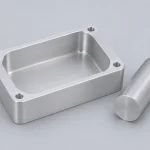
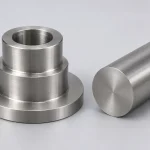
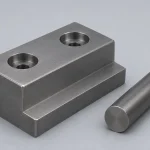
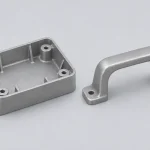
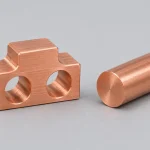
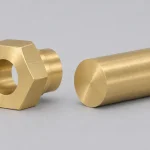
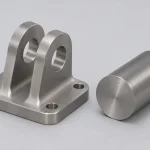
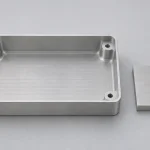

 Short-Run Quantities
 Production-Like Polyurethanes
 Engineering Review Before Casting

Low-Volume Bridge Production
Produce short runs for validation, pilot builds, and early demand without committing to injection molding tooling.
Capabilities
CNC MachiningCNC milling, 5-axis machining & CNC turning› 3D PrintingSLA, MJF, SLS & DMLS 3D printing› Vacuum CastingSilicone mold making, urethane casting & vacuum-cast prototypes› Sheet Metal FabricationLaser cutting, bending & welding› Injection MoldingLow-volume, insert & overmolding› Rapid ToolingPrototype tooling for molded-part validation› Die CastingAluminum, zinc & magnesium die casting› Metal StampingPrecision & progressive stamping› Surface FinishingBlasting, anodizing, plating, coating & polishing›CNC Machining
Browse by Material
AluminumLightweight, corrosion-resistant aluminum for CNC-machined prototypes, brackets, housings, and precision parts.› Stainless SteelCorrosion-resistant stainless steel for CNC-machined components, tooling, and parts used in clean or demanding environments.› SteelVersatile steel for CNC-machined structural parts, fixtures, shafts, brackets, and production tooling.› ZincZinc for compact die-cast housings, hardware, and detailed industrial components where fine detail matters.› CopperHigh-conductivity copper for electrical contacts, connectors, heat-transfer parts, and precision components.› BrassMachinable brass for fittings, valves, electrical hardware, bushings, and precision turned parts.› TitaniumHigh-strength, lightweight titanium for aerospace, medical, and performance-critical machined components.› MagnesiumUltra-lightweight magnesium for weight-sensitive housings, structural components, and machined prototypes.› BronzeWear-resistant bronze for bushings, bearings, marine hardware, and sliding mechanical components.› IronDurable iron for fixtures, tooling, structural components, and wear-focused industrial applications.› ABSImpact-resistant ABS for machined prototypes, housings, fixtures, and functional appearance parts.›Vacuum Casting Services
GD Prototyping delivers vacuum cast parts in production-like polyurethane for appearance review, functional testing, and low-volume bridge production before injection molding.
Vacuum casting is a silicone-mold process that reproduces vacuum cast parts from a master pattern. Liquid polyurethane is cast under vacuum to help fill fine features and reduce trapped air in production-like plastic parts.
It provides a practical bridge between one-off prototypes and injection molding. Teams use vacuum casting for appearance approval, functional evaluation, fit checks, and short-run production when they need production-like material options before committing to hard tooling.

Produce short runs for validation, pilot builds, and early demand without committing to injection molding tooling.
Use selected colors, textures, transparency, and soft-touch options to make prototypes more representative in design and customer review.
Choose a polyurethane system around target stiffness, flexibility, appearance, and service conditions. Performance is confirmed against part requirements.
A silicone mold reproduces the approved master pattern, helping maintain visual consistency across a short batch.
Review form, fit, finish, and material direction before committing to hard tooling or injection molding.

Precision silicone molds for repeatable short-run vacuum casting with practical detail reproduction.

Production-like polyurethane parts in rigid, flexible, clear, or color-matched material options.

Short-run vacuum casting prototypes for appearance, fit, and functional validation before tooling.
How It Works
Upload 3D CAD files together with part quantities, target material behavior, color, finish, and critical cosmetic or functional requirements.
Our engineers assess geometry, wall thicknesses, parting-line direction, undercuts, tolerance expectations, and finishing requirements before a casting plan is released.
Receive a project-specific quotation covering the master pattern, silicone mold, vacuum casting process, finishing scope, quantity, and planned lead time.
After approval, we prepare the master pattern and produce a vacuum casting silicone mold for controlled release and consistent short-run replication.
During polyurethane vacuum casting, selected material is poured under vacuum, cured, demolded, and trimmed. Color matching, painting, inserts, or assembly are completed as specified.
Each batch is checked against agreed visual, dimensional, quantity, and project-specific requirements before protected packaging and delivery.
A rigid polyurethane casting resin for housings, covers, and functional prototypes with ABS-like behavior. It is not ABS thermoplastic.
Two-part polyurethane casting resin
Industrial painting for specified colors, gloss levels, and application-specific surface protection.

Mechanical polishing for smoother surfaces and satin, bright, or mirror finishes.
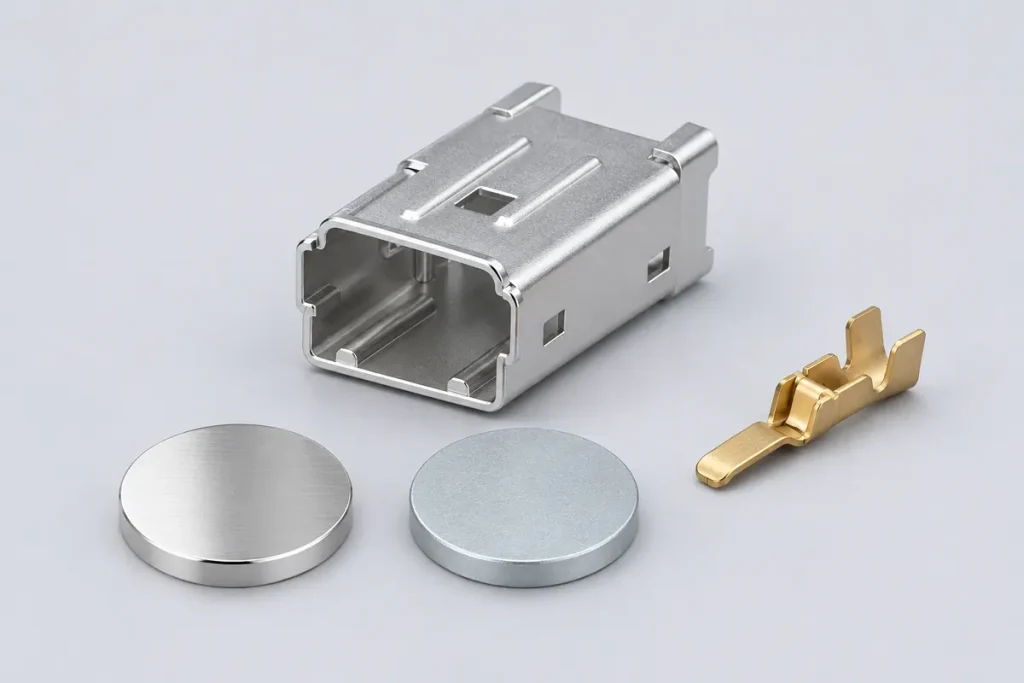
Electrically deposited metal coatings for protective, conductive, or decorative applications.

Abrasive blasting for matte textures and metal surface preparation before coating.



Why GD Prototyping
GD Prototyping helps product teams turn approved designs into production-like vacuum cast parts through engineering review, controlled mold replication, finishing coordination, and clear project communication.
We review mold split, parting surfaces, wall transitions, undercuts, tolerance priorities, and cosmetic requirements before production begins.
Select polyurethane systems and finishing routes around target stiffness, flexibility, color, texture, transparency, and intended use.
Use the approved master pattern and silicone mold to reproduce low-volume batches with consistent visual and functional intent.
Coordinate trimming, color matching, painting, polishing, inserts, and assembly within one controlled production plan.
CAD data, product details, and project communication are managed through controlled access from quotation through delivery.
Coordinate packaging, shipment details, and repeat-order requirements so approved vacuum cast parts can move smoothly into the next project stage.
FAQ
Choose vacuum casting when you need multiple production-like plastic parts for design review, fit checks, functional testing, or low-volume bridge production before injection molding.
Vacuum cast parts use polyurethane systems that can simulate ABS, PP, PC, rubber-like, high-temperature, transparent, or colored plastic properties, subject to project requirements.
Yes. Color matching, painting, texture simulation, polishing, soft-touch effects, and selected inserts can be planned for appearance and product-review requirements.
Vacuum casting cost depends mainly on part size and geometry, master-pattern complexity, material choice, mold quantity, finishing scope, and order volume.
Send 3D CAD files, required quantity, material-performance target, color, finish, tolerance priorities, and any cosmetic or assembly requirements.
Our commitment does not end at delivery. We provide comprehensive after-sales support to ensure your satisfaction and long-term success.
Ongoing technical support to address questions and improve future designs.
Rapid investigation and corrective action to resolve any quality concerns.
Detailed inspection reports and certificates available with every order.
Documented processes and tooling management ensure consistency for repeat orders.
Secure packaging and logistics coordination across orders.
Easy reorder process and manufacturing communication.
Send your CAD files, quantity, color target, material simulation needs, and surface finish expectations. We will review the project and recommend a practical casting route.


