





 8 min read

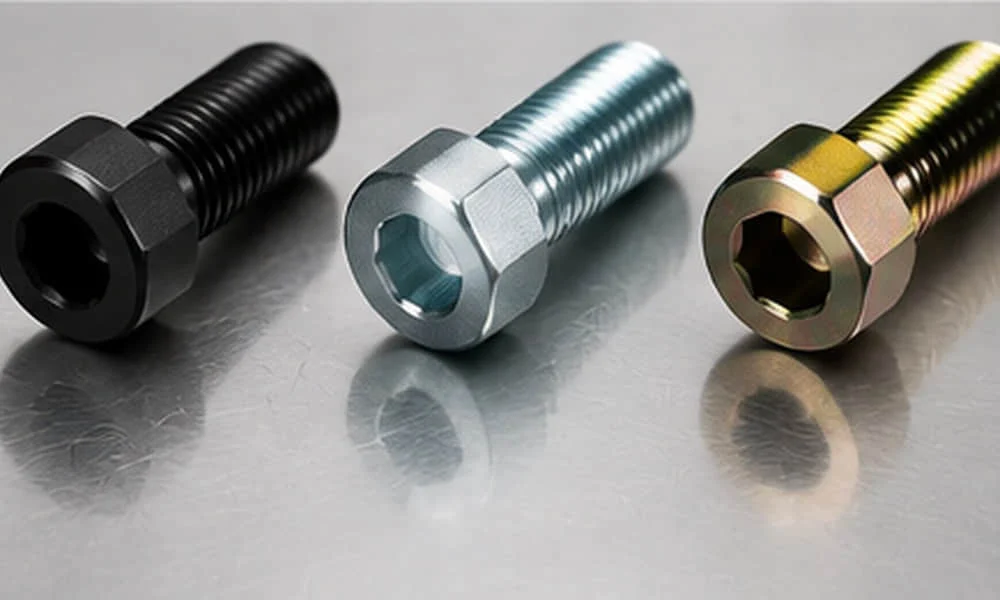
To black oxide steel, first identify the steel and select a compatible blackening process. Remove rust and oil, apply the product or industrial treatment under its specified conditions, then rinse, protect, and inspect the surface. The final protective treatment matters because black oxide alone provides limited corrosion resistance.
For small parts and local repairs, a commercial room-temperature blackening product may be suitable. Precision parts with a specified black oxide finish may require a controlled industrial process. This guide explains how to choose between them, prepare the steel, and troubleshoot common problems.
For a closer look at the finish itself, see what black oxide is and when to use it.
Choose the Right Blackening Process
Room-temperature blackening can be useful for small batches or localized repairs when the product is compatible with the material and existing surface. Some cold blackening products form copper-containing compounds rather than the magnetite layer produced by conventional hot black oxide.
Hot black oxide is an industrial process that typically uses a heated alkaline solution to form a thin magnetite layer on suitable steel. It requires controlled equipment and trained personnel.
Use the part’s purpose and requirements to guide your choice:
- For a local cosmetic repair: Confirm that the product works on the steel grade and is compatible with the existing finish. Test a small, representative area first; the repaired area may not match the original surface exactly.
- For a precision part with black oxide specified on the drawing: Confirm the required process, post-treatment, and acceptance criteria before finishing. A cold-blackened part may look similar to a hot black oxide part without meeting the same specification.
Also consider the operating environment, dimensional requirements, and whether oil or wax can remain on the part. Our black oxide finishing page covers finish considerations for manufactured components.
Check the Steel and Its Condition
Identify the steel grade before choosing a product. A solution suitable for carbon steel is not necessarily suitable for stainless steel, which can require different chemistry. Check the instructions for the exact product and material.
Existing paint, zinc plating, rust, or heat-treatment scale can interfere with blackening. Determine whether the existing surface must be removed and whether the preparation method is acceptable for the part. The steel grade and heat-treatment condition can affect both preparation and the final appearance.
Take Extra Care With Hardened or Critical Parts
High-strength steel at 39 HRC or above may be susceptible to caustic embrittlement and cracking if internal or applied stress is present during blackening, as noted in Section 6.1 of MIL-DTL-13924F. This describes a risk under specific conditions; it does not mean every hardened part will crack.
Before treating a high-hardness or critical load-bearing part, give the finishing provider its steel grade, hardness, heat-treatment condition, and service requirements. Ask them to evaluate the process, any required post-treatment, and the applicable drawing or specification.
Check Safety Requirements Before Starting
Room-temperature products can still contain hazardous chemicals. Some cause severe skin burns or eye damage and may present other health risks. Read the label and safety data sheet for each product before handling it.
Follow the instructions for ventilation, chemical-resistant gloves, protective clothing, and eye or face protection. Use compatible containers and handle used chemicals and rinse water according to local requirements.
If you cannot meet the handling requirements, use a qualified finishing provider. Hot caustic black oxide baths present chemical and thermal hazards and require industrial controls.
What Do You Need for Room-Temperature Blackening?
Prepare the following items according to the chosen system’s instructions:
- A blackening product suitable for the steel grade and intended application.
- A compatible cleaner or degreaser and a way to remove rust or scale.
- A surface conditioner or activator, if the system requires one.
- Compatible containers, clean rinse water, and tools for handling the part.
- A recommended oil, wax, or other protective sealer.
- The protective equipment and ventilation specified in the safety data sheets.
How to Black Oxide Steel With a Room-Temperature Product
Inspect and Prepare the Surface
Review the part for rust, scale, old coatings, and features that need protection. Remove unwanted material using a method suitable for the component and the selected blackening system.
Take care around threads, sealing faces, and other critical surfaces. If the part needs sand blasting, agree on the surface texture and protection for critical areas before work begins.
Degrease and Rinse
Remove machining oil, coolant, grease, and fingerprints with a cleaner compatible with the system. Pay particular attention to holes, recesses, and threads where contamination can remain.
Rinse as directed. If water beads up or the water film breaks on the cleaned steel, remaining contamination may be present. Clean and rinse again as needed. This check can reveal surface problems, but it does not prove that every contaminant has been removed.
Handle the cleaned part in a way that avoids new fingerprints or contact with oily surfaces.
Activate the Steel if Required
Some steel grades or product systems need a separate surface conditioner or activator. Use only a treatment specified as compatible with the material and the blackening product, and follow its rinsing instructions.
Apply the Blackening Product
Follow the exact product instructions for the application method, concentration, temperature, and contact time. Check whether the instructions call for the part to be moved during immersion or left still; a stated time may depend on that method.
Make sure the solution can reach the surfaces to be treated. Part-to-part contact, fixture contact, or trapped air can prevent uniform coverage. Do not assume that another product uses the same settings, and do not extend the treatment time simply to make the surface darker.
Rinse and Apply the Specified Protection
Rinse the part as directed, then apply the recommended oil, wax, or other sealer in the sequence specified for the system. Some products use a water-displacing oil immediately after rinsing; others require the part to be dried first.
Choose the protection for the expected exposure and later use. Oil may leave a film and require maintenance, while some waxes or sealers offer a drier feel. If the part must be painted, bonded, or kept oil-free, check that the selected post-treatment is compatible.
Inspect the Finished Part
Examine the finish under suitable lighting for coverage, color differences, and visible marks. Check holes, threads, and mating surfaces for residue or handling damage. Measure critical features at the stage required by the drawing.
A uniform black color alone does not establish corrosion resistance or compliance with a specification. Use the agreed inspection and acceptance criteria for the application.
How Is Industrial Hot Black Oxide Applied?
An industrial process typically includes cleaning, rinsing, any required activation, immersion in a controlled hot blackening bath, further rinsing, and a specified post-treatment. The solution and process conditions depend on the steel grade, part geometry, and finish requirements.
When ordering the finish, tell the provider whether the part has a specified process, hardness, critical dimensions, or restrictions on the protective coating. Confirm the acceptance requirements before the batch is processed.
How to Troubleshoot Uneven Blackening
If an area is light or patchy, start with cleaning. On a freshly cleaned representative sample before blackening, check whether water beads or the water film breaks. If it does, review the degreasing and rinsing steps and clean again as directed.
Next, compare the light spots with the locations of fixture contact, parts touching, and possible trapped air. Those areas may not have received the same exposure to the solution. Also confirm the product’s material compatibility and application conditions.
If reprocessing is needed, follow the product or finishing provider’s instructions and try the corrected process on a representative sample before treating the rest of the batch. For critical or hardened parts, confirm that rework is permitted before proceeding.
| Problem | What to check first | What to review next |
|---|---|---|
| Black residue rubs off | Check the rinsing instructions and whether loose residue remains. | Review contamination, treatment time, and the product’s reprocessing guidance. |
| Rust appears after finishing | Check for remaining moisture and whether protection was applied as directed. | Review the sealer, storage conditions, and expected exposure. |
| Gloss varies across the part | Compare the underlying surface textures and preparation methods. | Review coverage and compare the result with the agreed appearance sample. |
These checks identify possible causes. Confirm the cause on a sample before changing the process for a full batch.
How to Specify Black Oxide for Machined Steel Parts
To help the finishing provider select and inspect the process, include the following with the drawing or order:
- Steel grade, hardness, and heat-treatment condition.
- Required finish specification or agreed blackening process.
- Surfaces to finish or mask and any appearance requirements.
- Required oil, wax, sealer, or cleanliness after finishing.
- Critical dimensions and when they must be inspected.
- Service environment, corrosion requirements, and acceptance criteria.
For parts exposed to moisture, salt, or abrasion, compare black oxide with other surface finishing options against the actual performance requirements.
Conclusion
Successful blackening starts with choosing a process that fits the steel and the part’s requirements. Prepare and clean the surface, apply the selected treatment as instructed, then rinse, protect, and inspect the part.
For hardened or critical components, review material condition and service requirements with the finishing provider before processing. When problems occur, check preparation and coverage in order, and confirm any correction on a representative sample.