Magnesium Machining for Custom Parts

Lightweight material choices for engineered components.

GD Prototyping supports magnesium CNC machining for prototypes and low-volume custom parts, with material and finishing guidance based on your requirements.

Get a Quote for Magnesium Parts
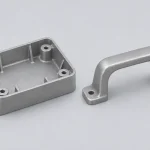
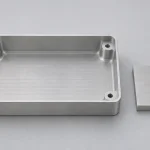
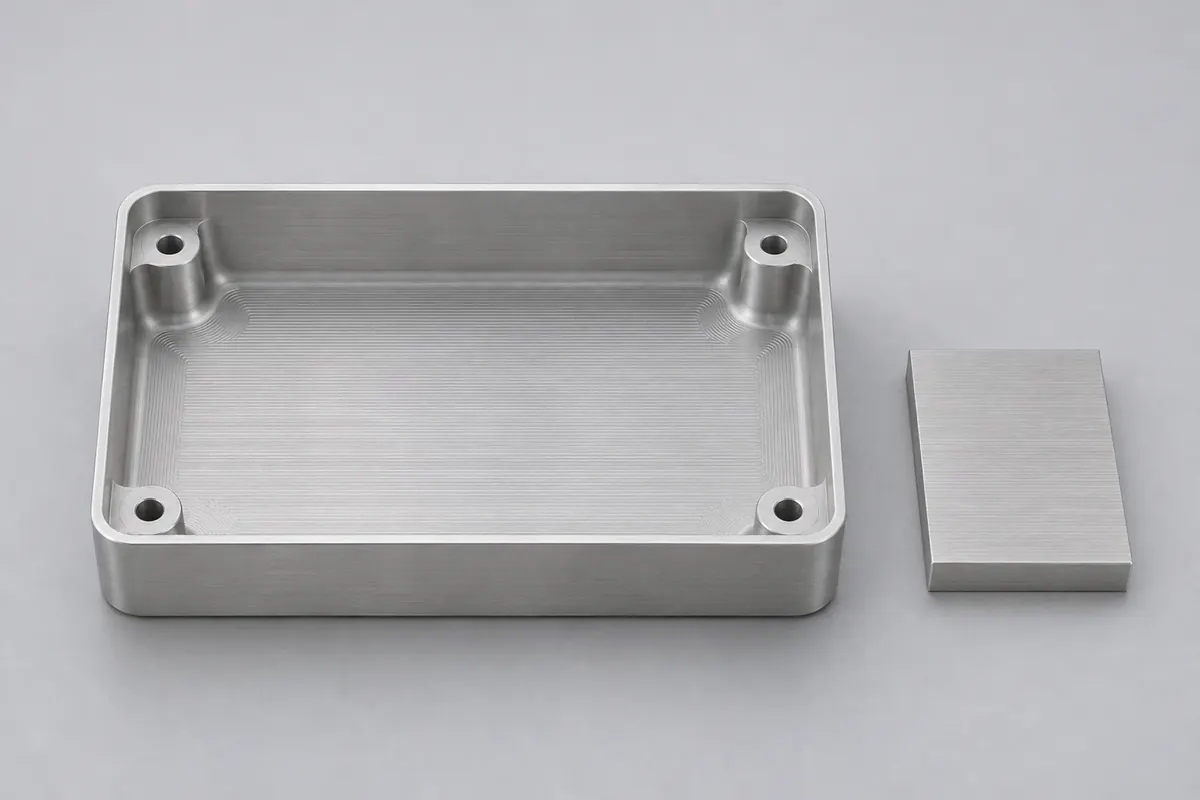
Illustrative magnesium enclosure shell and rectangular metal blank

Engineering Metals

About Magnesium

Magnesium alloys combine low density with useful machinability and vibration-damping properties. Wrought and casting grades differ in strength, material form, and processing behavior. Magnesium material selection should account for part geometry, service conditions, and the intended manufacturing route.

Price
Quote-based
Lead Time
Confirmed with your quote
Wall Thickness
Based on part geometry and process
Tolerances
Based on drawing requirements
Max Part Size
Confirmed by part geometry and machine capacity
Magnesium Grades
AZ31B, AZ61A, AZ91D, WE43 — subject to availability
Magnesium AZ31B A wrought magnesium alloy used for lightweight components. For AZ31B magnesium machining, confirm the supplied material form and temper.
Material Condition F-temper extrusion Tensile Strength (Representative) 230 MPa Yield / Proof Stress (Representative) 140 MPa Elongation (Representative) 12% Elastic Modulus (Approx.) 45 GPa Density (Approx.) 1.78 g/cm³
Magnesium AZ61A An extruded magnesium alloy considered for lightweight parts where material strength is an important selection factor.
Material Condition F-temper extrusion Tensile Strength (Representative) 280 MPa Yield / Proof Stress (Representative) 160 MPa Elongation (Representative) 10% Elastic Modulus (Approx.) 45 GPa Density (Approx.) 1.80 g/cm³
Magnesium AZ91D A magnesium die casting alloy used for lightweight components such as housings and covers. Critical features can be finish-machined where required.
Material Condition As-cast, separately die-cast test specimens Tensile Strength (Typical) 230 MPa Yield / Proof Stress (Typical) 160 MPa Elongation (Typical) 3% Elastic Modulus (Approx.) 45 GPa Density (Approx.) 1.81 g/cm³
Magnesium WE43 — WE43B Reference A magnesium alloy family considered for components exposed to elevated temperatures. The values below refer specifically to the WE43B casting alloy.
Material Condition WE43B casting alloy; test heat-treatment condition not specified Tensile Strength (Typical) 265 MPa Yield / Proof Stress (Typical) 185 MPa Elongation (Typical) 7% Elastic Modulus (Approx.) 45 GPa Density (Approx.) 1.84 g/cm³

Values are references for the stated grades and material forms, not design allowables or guaranteed part properties. AZ31B and AZ61A values include manufacturer-representative extrusion data. AZ91D mechanical values are based on separately die-cast specimens. WE43B test heat-treatment condition is not specified in the referenced data. Confirm the grade, material condition, availability, and documentation for each project.

Explore All Materials

Advantages & Considerations of Magnesium

Advantages

  • Low Density: Magnesium alloys offer a low-density option for designs where reducing component weight is important.
  • Machinability: Suitable magnesium alloys can be machined efficiently, with processing planned around the material and part geometry.
  • Vibration Damping: Magnesium can help reduce vibration in components such as housings and equipment structures.
  • Manufacturing Options: Wrought grades support machining, while selected casting grades are used for magnesium die casting and subsequent machining.
  • EMI Shielding: As a conductive metal, magnesium can contribute to electromagnetic shielding when the housing and interfaces are appropriately designed.

Considerations

  • Corrosion Protection: Review the service environment, contact with dissimilar metals, and suitable protective finishes.
  • Chip and Dust Safety: Magnesium chips and fine dust present fire risks and require appropriate handling and fire precautions during processing.
  • Grade and Temperature: Strength and temperature performance vary by alloy and material condition. Select the grade for the intended operating conditions.

Our Commitment

Magnesium Parts, From Material to Delivery

GD Prototyping supports material selection, machining, and inspection through a coordinated project workflow.

Grade & Stock Review

Review the alloy, stock form, material condition, and availability before confirming the project.

DFM Support

Discuss critical features, thin walls, and manufacturing requirements before production.

CNC Machining

Plan milling or turning around part geometry, clamping, and drawing requirements.

Inspection

Check agreed dimensions and visual requirements using suitable inspection methods.

Finishing Coordination

Review magnesium surface finishing options for the alloy and service environment.

Project Support

Coordinate quotations, production updates, and delivery for magnesium prototyping and low-volume orders.

Ready to Machine Magnesium Parts?

Share your drawings and project requirements to discuss material selection, manufacturing options, and a tailored quote.

  • Engineering Review
  • Material Guidance
  • Delivery Coordination
Upload CAD & Get a Quote
WhatsApp