Cast Iron Machining for Custom Parts

Gray and ductile iron options for functional components.

GD Prototyping provides cast iron CNC machining for prototypes and low-volume parts, with grade and finishing options reviewed for each project.

Get a Quote for Cast Iron Parts
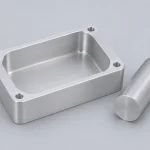
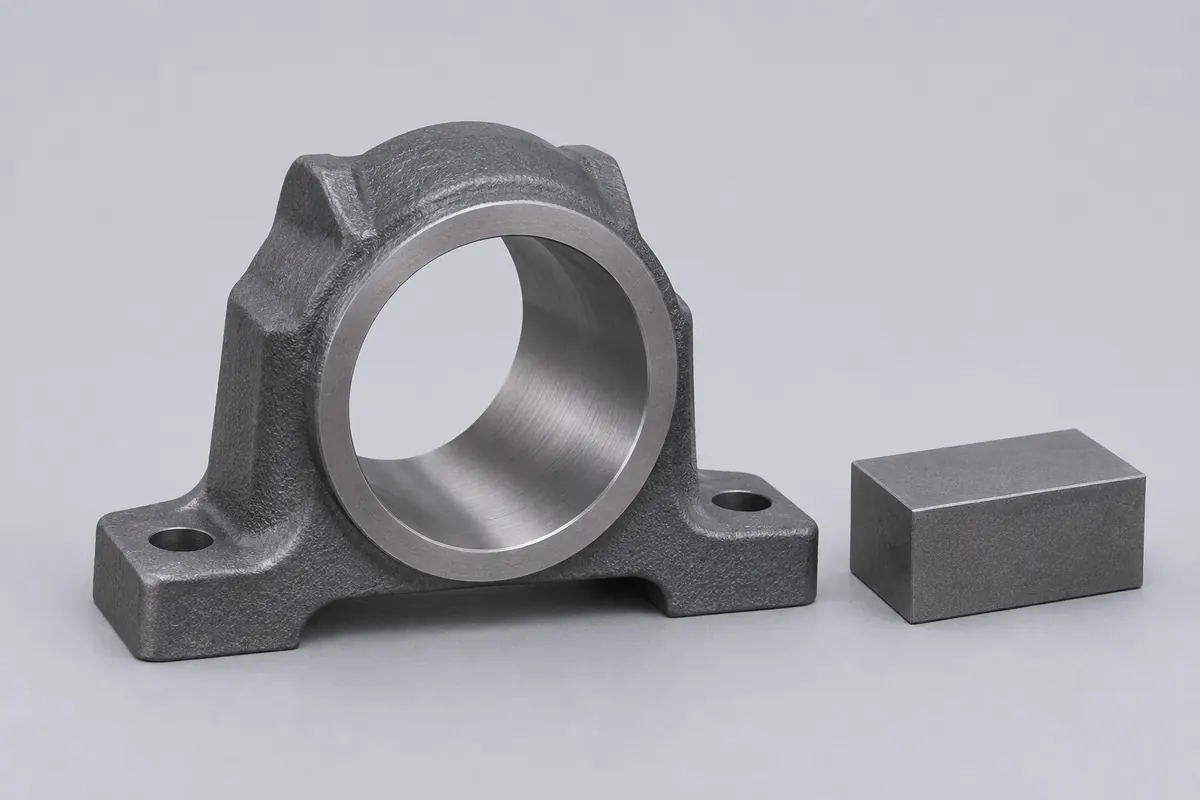
Illustrative cast iron housing with machined bore and mounting feet

Engineering Metals

About Iron

Cast iron is a family of iron-carbon alloys that includes gray and ductile irons. Gray iron is often chosen for vibration damping and machinability, while ductile iron grades offer different combinations of tensile strength and ductility.

Cast iron material selection depends on service loads, section thickness, material condition, and the intended manufacturing route.

Price
Quoted by grade, stock form, geometry, and quantity
Lead Time
Confirmed after material and drawing review
Wall Thickness
Subject to geometry and manufacturing process
Tolerances
Confirmed against drawing and inspection requirements
Max Part Size
Subject to stock size, machine capacity, and workholding
Iron Grades for Review
Gray Iron Class 30, Gray Iron Class 40, Ductile Iron 65-45-12, and Ductile Iron 80-55-06. Availability is confirmed with your quote.
Gray Iron Class 30 A general-purpose grade for machine housings and bases. Class 30 gray iron machining is often considered where vibration damping and machinability are important.
Specification / Test Basis ASTM A48; separately cast test bar Tensile Strength ≥ 30 ksi (approximately 207 MPa) Yield Strength Not specified by the ASTM A48 tensile class Elongation Not specified by the ASTM A48 tensile class Brinell Hardness 187–241 HB, typical foundry reference Density Approximately 7.20 g/cm³, gray iron reference
Gray Iron Class 40 A higher-strength gray iron grade for housings and wear surfaces. Class 40 gray iron machining should account for casting hardness and tooling requirements.
Specification / Test Basis ASTM A48; separately cast test bar Tensile Strength ≥ 40 ksi (approximately 276 MPa) Yield Strength Not specified by the ASTM A48 tensile class Elongation Not specified by the ASTM A48 tensile class Brinell Hardness 217–269 HB, typical foundry reference Density Approximately 7.20 g/cm³, gray iron reference
Ductile Iron 65-45-12 65-45-12 ductile iron machining is considered for housings, brackets, and other components requiring a balance of strength and ductility.
Specification / Test Basis ASTM A536; separately cast test bar Tensile Strength ≥ 65 ksi (approximately 448 MPa) Yield Strength ≥ 45 ksi (approximately 310 MPa) Elongation ≥ 12%, 2 in. gauge length Brinell Hardness 156–217 HB, typical foundry reference Density Approximately 7.06 g/cm³, ductile iron reference
Ductile Iron 80-55-06 80-55-06 ductile iron machining is considered for gears, housings, and components requiring higher tensile strength than 65-45-12.
Specification / Test Basis ASTM A536; separately cast test bar Tensile Strength ≥ 80 ksi (approximately 552 MPa) Yield Strength ≥ 55 ksi (approximately 379 MPa) Elongation ≥ 6%, 2 in. gauge length Brinell Hardness 187–255 HB, typical foundry reference Density Approximately 7.06 g/cm³, ductile iron reference

Tensile, yield, and elongation values are reference minima for separately cast test bars where specified. Metric values are approximate conversions. Hardness ranges are typical foundry references, and density values are approximate references for continuous-cast gray or ductile iron stock. Actual properties vary with section size, casting process, and material condition.

Explore More Materials

Advantages & Considerations of Iron

Advantages

  • Vibration Damping: Gray iron can help reduce vibration in machine bases, housings, and equipment structures.
  • Strength and Ductility Options: Ductile iron grades offer different combinations of tensile strength and elongation for mechanically loaded parts.
  • Wear Performance: Selected cast iron grades can be considered for sliding surfaces and wear-sensitive components.
  • Machinable Features: CNC machining can produce bores, threads, faces, and other features needed for assembly.
  • Stock and Casting Options: Cast iron may be supplied as stock or as a casting, depending on the part geometry and production requirements.

Considerations

  • Impact and Tensile Loads: Gray iron has limited ductility. Review shock and tensile loading before selecting the grade.
  • Corrosion Protection: Unprotected cast iron can rust. Consider coating and storage requirements for the intended environment.
  • Processing Allowances: Review casting quality and machining allowances. Cast iron heat treatment and coating thickness can also affect final dimensions.

Our Commitment

Manufacturing Support for Cast Iron Parts

GD Prototyping coordinates material review, machining, finishing, and inspection around the requirements of your cast iron project.

Material Specification Review

Discuss the iron grade, stock form, material condition, and documentation requirements before confirming the order.

Machining Route Planning

Review cast iron CNC milling and turning requirements against part geometry and critical features.

Stock and Casting Review

Assess starting dimensions, machining allowances, and workholding requirements for the selected stock or casting.

Drawing-Based Inspection

Check agreed critical dimensions, bores, and visual requirements against your drawings.

Finishing Coordination

Review cast iron surface finishing options based on the service environment, masking, and finish thickness.

Project Support

Align drawing revisions, quantities, and delivery requirements for cast iron prototype parts and low-volume orders.

Ready to Start Your Cast Iron Project?

Send your drawings to discuss iron grade, machining requirements, and finishing for your custom cast iron parts.

  • Drawing Review
  • Material Guidance
  • Project Coordination
Get a Quote for Cast Iron Parts
WhatsApp