Brass Machining for Custom Parts

Brass CNC machining for functional prototypes and production components.

GD Prototyping supports brass prototyping and low-volume production, with machining and finishing planned around your drawings.

Get a Brass Parts Quote
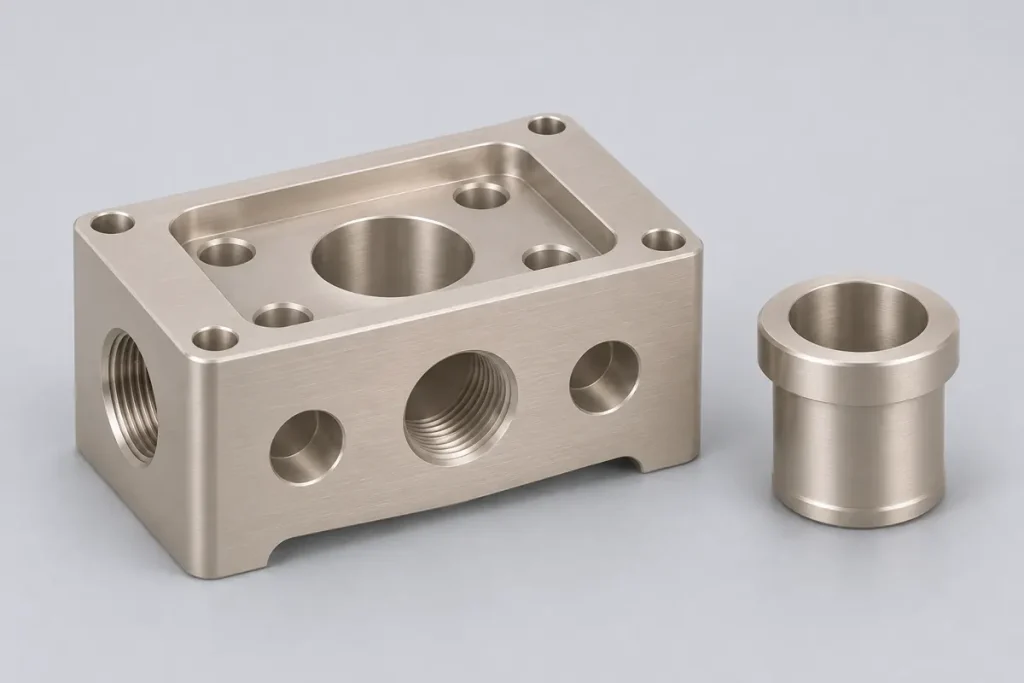
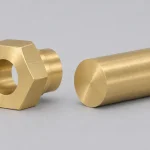
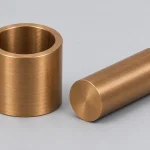
Illustrative machined brass fitting and round bar

Brass Materials

About Brass

Brass is a copper-zinc alloy family valued for its machinability, formability, and distinctive appearance. Depending on the grade, brass is used for fittings, connectors, bushings, and other functional components.

Brass material selection depends on the part’s geometry and operating conditions. Lead content, corrosion exposure, stock form, and surface requirements should all be considered before choosing an alloy.

Price
Quoted by grade, geometry, quantity, and finish.
Lead Time
Confirmed after drawing and material availability review.
Wall Thickness
Reviewed against part geometry, material condition, and manufacturing process.
Tolerances
Defined by the drawing and confirmed during project review.
Max Part Size
Subject to stock dimensions, machine capacity, and setup requirements.
Reference Grades
C26000, C36000, C46400, and C69300. Availability is subject to confirmation.
Brass C26000 C260 is valued for its cold formability and is commonly used for formed and stamped components. For C260 brass machining, consider its lower machinability when planning the process.
Material Condition H00, 1/8 hard; 1 in. rod section Tensile Strength 379 MPa, typical Yield Strength (0.5% Extension) 276 MPa, typical Elongation 48%, typical Machinability Rating 30, with C36000 rated at 100 Density Approximately 8.53 g/cm³
Brass C36000 C360 brass CNC machining suits fittings, threaded connectors, and other turned components. Its lead content supports chip control during machining.
Material Condition H02, 1/2 hard; 1 in. rod section Tensile Strength 400 MPa, typical Yield Strength (0.5% Extension) 310 MPa, typical Elongation 25%, typical Machinability Rating 100, reference alloy Density Approximately 8.50 g/cm³
Naval Brass C46400 C464 naval brass machining supports hardware and fittings where exposure to water calls for material review. Tin improves corrosion resistance, but suitability still depends on the service environment.
Material Condition H01, 1/4 hard; 1 in. rod section Tensile Strength 476 MPa, typical Yield Strength (0.5% Extension) 317 MPa, typical Elongation 27%, typical Machinability Rating 30, with C36000 rated at 100 Density Approximately 8.41 g/cm³
Lead-Free Brass C69300 C693 lead-free brass machining suits connectors and valve components where lower lead content is specified. The alloy specification permits up to 0.09% lead.
Material Condition H02, 1/2 hard; 1 in. rod section Tensile Strength 607 MPa, typical Yield Strength (0.5% Extension) 345 MPa, typical Elongation 10%, typical Machinability Rating 85, with C36000 rated at 100 Density Approximately 8.30 g/cm³

Reference values are for material comparison at room temperature. Mechanical properties apply to the stated rod section and temper. Actual properties depend on the supplied form, size, condition, and specification. Machinability ratings are comparative values, not guaranteed machining performance.

Explore More Materials

Advantages & Considerations of Brass

Advantages

  • Machining Efficiency: Free-cutting grades such as C360 support chip control for turned and threaded features.
  • Formability: Formable grades such as C260 can be selected for stamped and formed parts.
  • Corrosion Resistance: Selected brass grades offer useful corrosion resistance when matched to the service environment.
  • Electrical & Thermal Conductivity: Brass provides conductivity for selected connectors and heat-transfer components, with values varying by alloy.
  • Surface Appearance: Its warm metallic color supports visible hardware and decorative components, with compatible finishing options.

Considerations

  • Lead Content & Compliance: Lead content varies by grade. Confirm material limits and any product-specific compliance requirements before ordering.
  • Service Environment: Review water chemistry, chemicals, and operating conditions for dezincification or stress-corrosion risks.
  • Surface Changes & Fits: Uncoated brass can tarnish over time. Consider finish thickness and protection on visible or mating surfaces.

Our Commitment

Brass Parts Built Around Your Requirements

From brass prototyping to low-volume brass parts manufacturing, GD Prototyping coordinates material selection, machining, finishing, and inspection around your project requirements.

Material Specifications

Review alloy, stock form, material condition, and documentation requirements before sourcing.

Practical Grade Guidance

Compare machinability, corrosion exposure, and lead limits against the intended application.

Coordinated Manufacturing

Plan brass CNC milling and turning around part geometry, tolerances, and finishing requirements.

Drawing-Based Inspection

Review critical dimensions, threads, and surface requirements against your drawings.

Finish Planning

Review brass surface finishing options for appearance, fit, and the operating environment.

Project Support

Align quantities, drawing revisions, and delivery requirements from quotation through shipment.

Ready to Machine Your Brass Parts?

Send your CAD files, drawings, quantity, and target finish for a brass machining quote and material review.

  • Drawing Review
  • Grade Selection
  • Project Support
Upload CAD & Get a Quote
WhatsApp