




Production-Representative Appearance
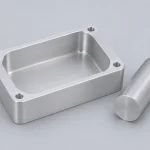
Replicate approved color, gloss, texture, and detail from a finished master pattern for reviews and customer samples.
Capabilities
CNC MachiningCNC milling, 5-axis machining & CNC turning› 3D PrintingSLA, MJF, SLS & DMLS 3D printing› Vacuum CastingSilicone mold making, urethane casting & vacuum-cast prototypes› Sheet Metal FabricationLaser cutting, bending & welding› Injection MoldingLow-volume, insert & overmolding› Rapid ToolingPrototype tooling for molded-part validation› Die CastingAluminum, zinc & magnesium die casting› Metal StampingPrecision & progressive stamping› Surface FinishingBlasting, anodizing, plating, coating & polishing›CNC Machining
Browse by Material
AluminumLightweight, corrosion-resistant aluminum for CNC-machined prototypes, brackets, housings, and precision parts.› Stainless SteelCorrosion-resistant stainless steel for CNC-machined components, tooling, and parts used in clean or demanding environments.› SteelVersatile steel for CNC-machined structural parts, fixtures, shafts, brackets, and production tooling.› ZincZinc for compact die-cast housings, hardware, and detailed industrial components where fine detail matters.› CopperHigh-conductivity copper for electrical contacts, connectors, heat-transfer parts, and precision components.› BrassMachinable brass for fittings, valves, electrical hardware, bushings, and precision turned parts.› TitaniumHigh-strength, lightweight titanium for aerospace, medical, and performance-critical machined components.› MagnesiumUltra-lightweight magnesium for weight-sensitive housings, structural components, and machined prototypes.› BronzeWear-resistant bronze for bushings, bearings, marine hardware, and sliding mechanical components.› IronDurable iron for fixtures, tooling, structural components, and wear-focused industrial applications.› ABSImpact-resistant ABS for machined prototypes, housings, fixtures, and functional appearance parts.›Low-Volume Prototype Manufacturing
Production-like vacuum casting prototypes for appearance, fit, and functional validation before committing to production tooling.
Process Overview
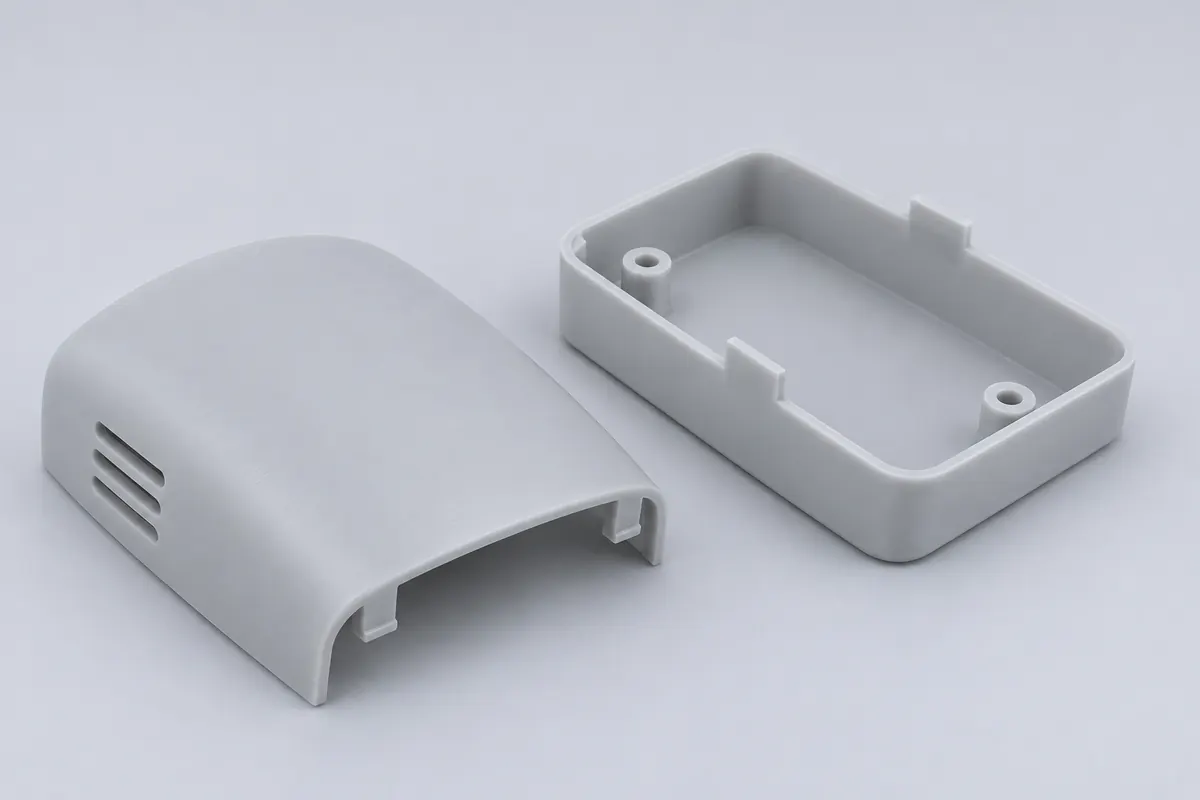
Vacuum casting prototypes are production-like plastic parts created by casting polyurethane into a silicone mold made from an approved master pattern. The process supports multiple consistent parts for design reviews, fit checks, and early functional validation.
Material selection and master-pattern finish define the final surface, feel, and dimensional outcome. After curing, vacuum cast parts can be trimmed, finished, inspected, and assembled for prototype builds or short production runs.

Why Vacuum Casting Prototypes
Create a small, consistent set of production-like parts before committing to injection molding tooling or a fixed production material.
Replicate approved color, gloss, texture, and detail from a finished master pattern for reviews and customer samples.
Produce multiple vacuum cast parts with a lower initial tooling commitment than metal injection molds.
Select rigid, flexible, clear, or heat-resistant polyurethane systems around fit, function, or user interaction.
Check assembly, interfaces, ergonomics, and cosmetic requirements while design changes remain manageable.
SLA patterns provide fine detail and smooth surfaces for appearance-focused and geometrically complex prototypes.
CNC-machined patterns provide stable datums and controlled surfaces for prototypes with demanding dimensional and finish requirements.
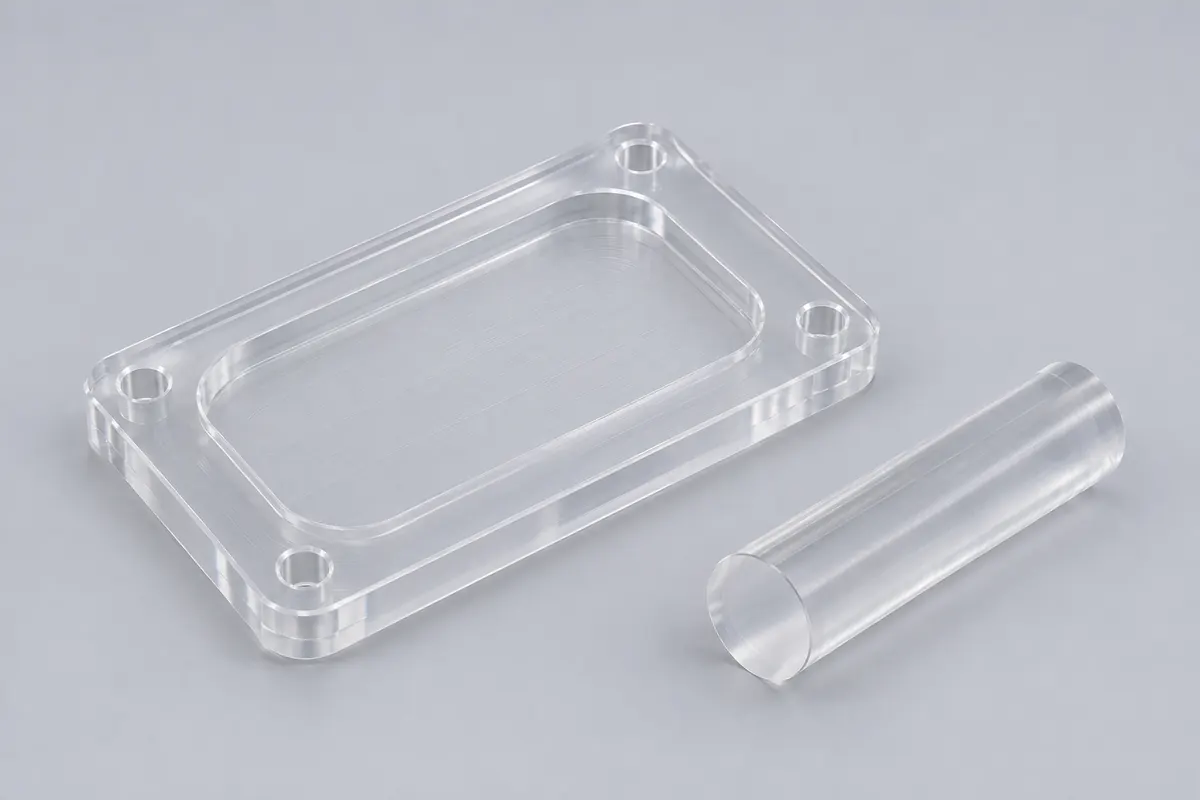
Existing patterns can be reviewed and used when geometry, surface condition, and moldability meet project requirements.
| Pattern Source | Advantages | Considerations |
|---|---|---|
| SLA 3D Printing |
|
|
| CNC Machining |
|
|
| Customer-Supplied Pattern |
|
|
How It Works
Review CAD data, target quantity, critical dimensions, material behavior, and cosmetic requirements before process planning.
Produce or review an SLA or CNC master pattern based on geometry, interface requirements, and the required surface finish.
Create an RTV silicone mold with planned parting lines, gates, vents, and demolding access for repeatable prototype casting.
Mix, degas, cast, and cure the selected polyurethane system to produce production-like vacuum casting prototypes.
Remove gates and flash, then add painting, polishing, texture refinement, inserts, or assembly as required.
Inspect key dimensions, appearance, color, and assembly requirements before protective packaging and delivery.
A rigid polyurethane casting resin for housings, covers, and functional prototypes with ABS-like behavior. It is not ABS thermoplastic.
Two-part polyurethane casting resinTechnical Capability
Defined parameters for production-like prototype batches. Final requirements are reviewed against CAD, material, mold design, and finish targets.
| Dimensional Tolerance | ±0.3 mm or ±0.3%, whichever is greater. |
|---|---|
| Surface Detail | ≥0.5 mm for raised or recessed details, logos, and texture features. |
| Minimum Feature Size | Ø1.0 mm holes; 0.5 mm grooves or ribs, subject to demolding direction. |
| Minimum Wall Thickness | 0.75 mm minimum; 1.5 mm recommended for stable filling and dimensional control. |
| Maximum Part Size | Up to 2,000 × 1,200 × 1,000 mm. |
| Surface Condition | Ra 1.6–3.2 μm as cast; down to Ra 0.8 μm after polishing. |
| Recommended Quantity | 1–100 parts per prototype program; typically 15–25 parts per silicone mold. |
| Typical Lead Time | 5–10 business days after CAD, material, color, and finish approval. |
Design Notes
Keep walls as uniform as possible. Use 1.5–4 mm where practical; local sections down to 0.75 mm require engineering review.
1.5–4 mm WallsUse 1–2° draft on vertical walls where possible to support clean release and protect visible surfaces.
1–2° DraftSilicone molds can accommodate many undercuts, but deep or complex features need a mold-split review.
Mold Split ReviewSpecify threaded inserts, bosses, and load-bearing interfaces early so their position and post-processing can be planned.
Threaded InsertsMark key dimensions and mating interfaces on the drawing to manage shrinkage, finish thickness, and assembly tolerance stack-up.
Critical DimensionsPlace parting lines away from cosmetic faces, sealing surfaces, and critical interfaces whenever geometry allows.
Parting Line PlanningIdentify visible faces and define gloss, texture, paint, or polish requirements before master-pattern finishing.
Cosmetic Surface ControlProvide a Pantone reference, physical sample, or approved visual target for production-like prototype color review.
Pantone Color MatchingLarge, thin, or asymmetric vacuum cast parts require review for filling, shrinkage, and dimensional stability.
Large-Part ReviewFinishing & Secondary Operations
Turn vacuum cast parts into review-ready assemblies through coordinated trimming, finishing, machining, marking, inspection, and protective packing—managed as one prototype workflow.
Remove gates and flash, then refine edges for clean handling and controlled part presentation.
Fit threaded inserts, bonded components, and specified sub-assemblies in the defined build sequence.
Machine critical holes, seating features, and threads after casting where the design requires them.
Sand, polish, texture-match, or prepare surfaces to the agreed visual standard.
Apply specified colors, coatings, or cosmetic finishes against an approved sample or Pantone reference.
Check agreed dimensions, appearance, and assembled features before release.
Add logos, icons, text, or identification marks to selected surfaces.
Pack completed parts to help preserve finished surfaces and keep project sets organized in transit.
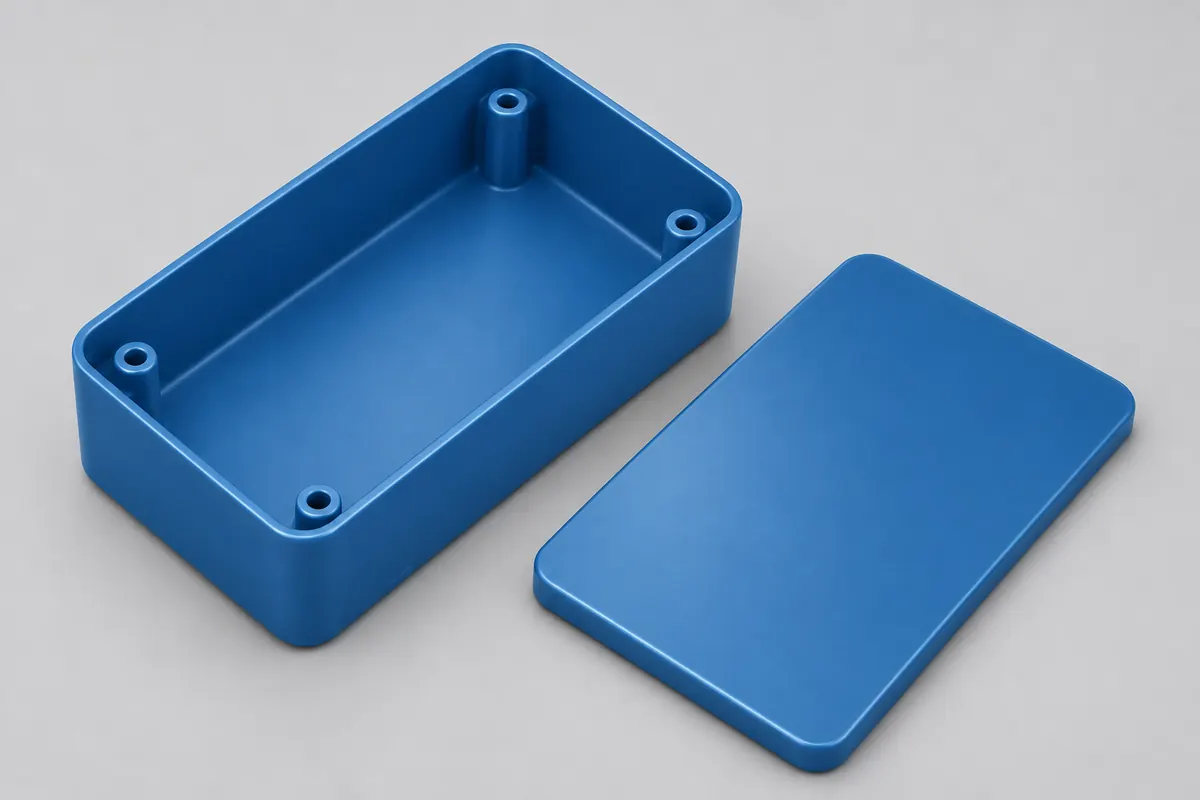
Applications

Custom automotive parts for prototypes and low-volume production.
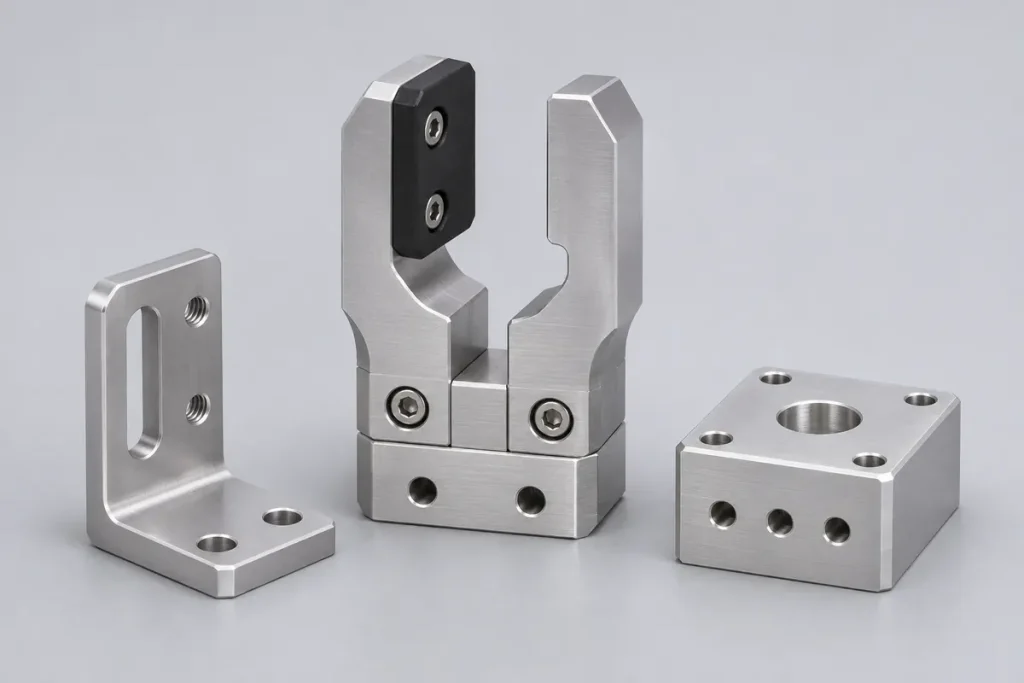
Custom robotic parts, fixtures, and automation equipment components.
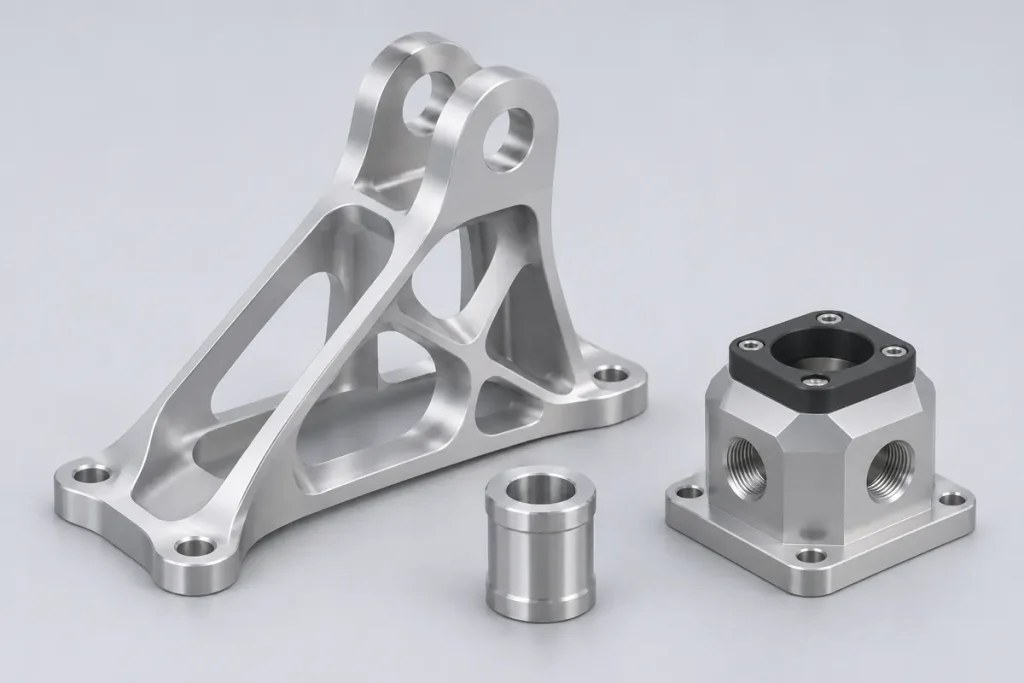
Aerospace prototypes and custom parts for engineering evaluation.

Medical device prototypes, custom housings, and mechanical components.
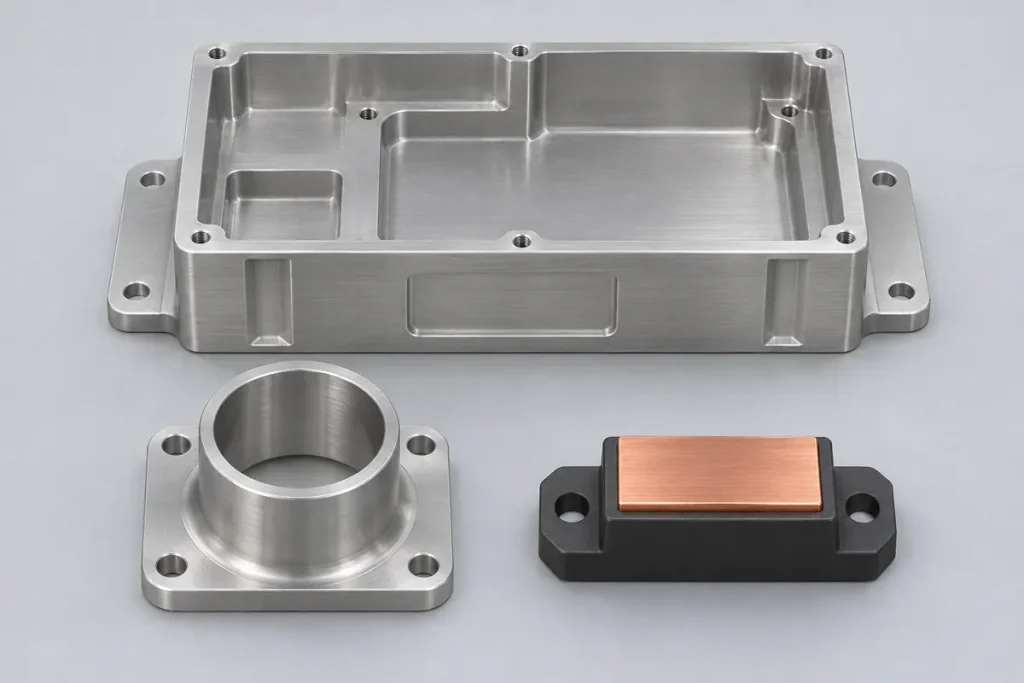
Custom energy equipment parts, housings, and mounting components.
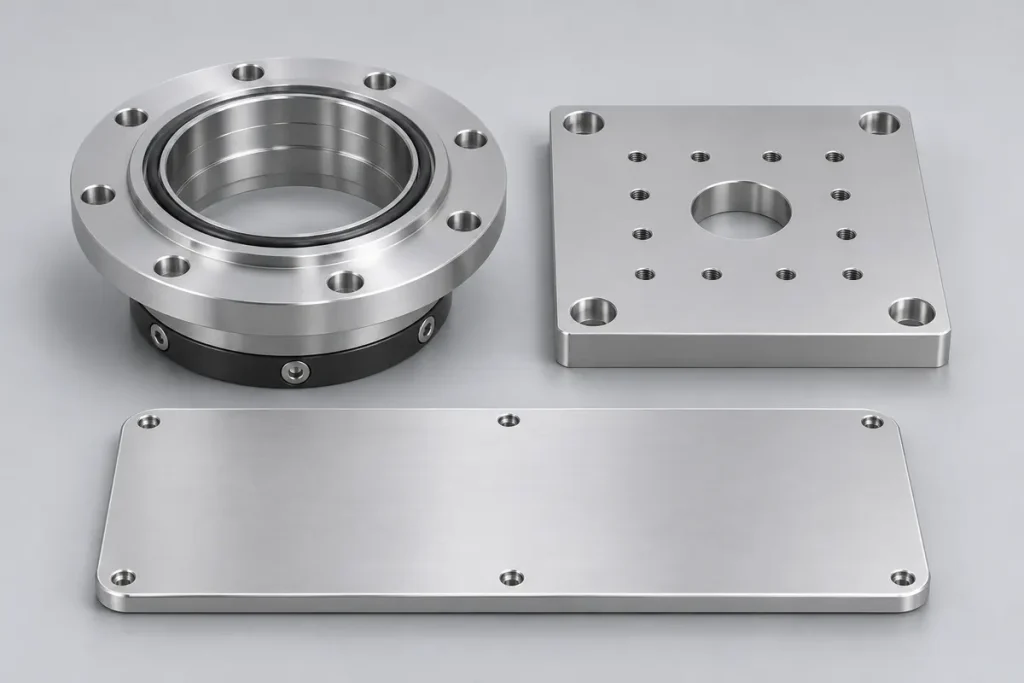
Custom semiconductor equipment parts, fixtures, and handling components.

Custom parts and prototypes for printers, copiers, and scanners.
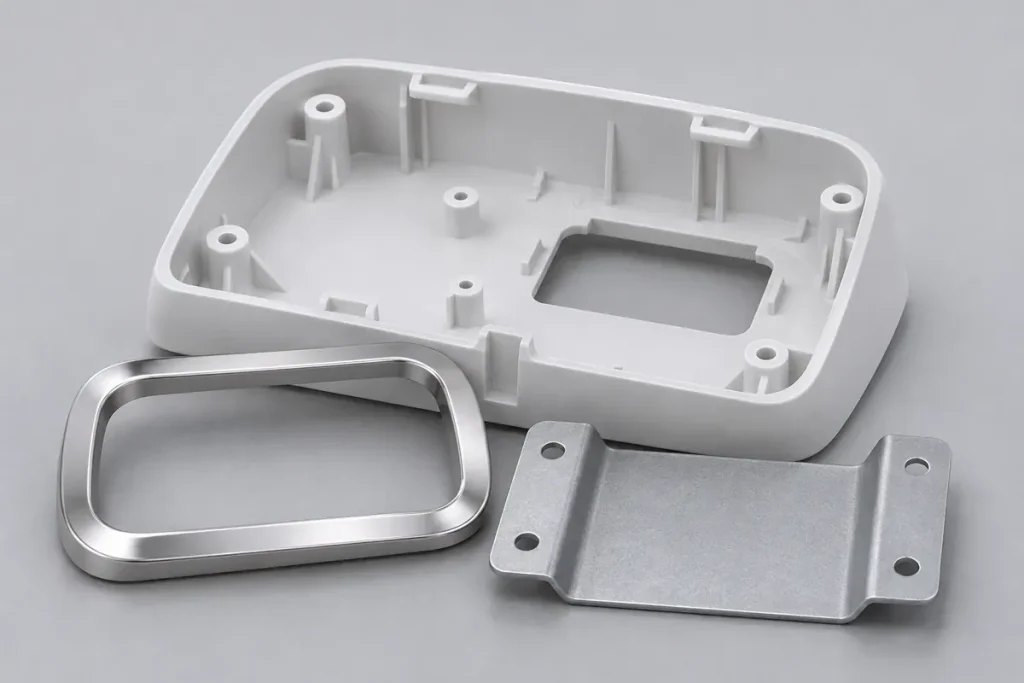
Custom appliance parts and enclosures for product development.
FAQ
Use vacuum casting prototypes when you need a small batch of production-like parts for fit checks, functional validation, or customer review before committing to injection molding tooling.
A silicone mold typically produces 15–25 vacuum cast parts, depending on part geometry, material, finish, and handling requirements.
Polyurethane systems can simulate rigid, flexible, rubber-like, clear, flame-retardant, or higher-temperature production plastics.
Yes. Post-machining, threaded inserts, color matching, painting, pad printing, and assembly can be planned during project review.
Typical lead time is 5–10 business days after CAD, material, color, and finish requirements are approved.
Upload your CAD files for prototype planning, engineering review, and a project-specific quotation.


 Fine surface detail


 Gate vestiges and parting-line flash
 Cleaned edges and specified surface finish
 Confidential File Handling
 Global Delivery