ABS Plastic Machining for Custom Parts
From functional prototypes to low-volume production parts.
ABS CNC machining turns versatile thermoplastic stock into housings, covers, fixtures, and other custom components.
Contact Us for ABS Parts
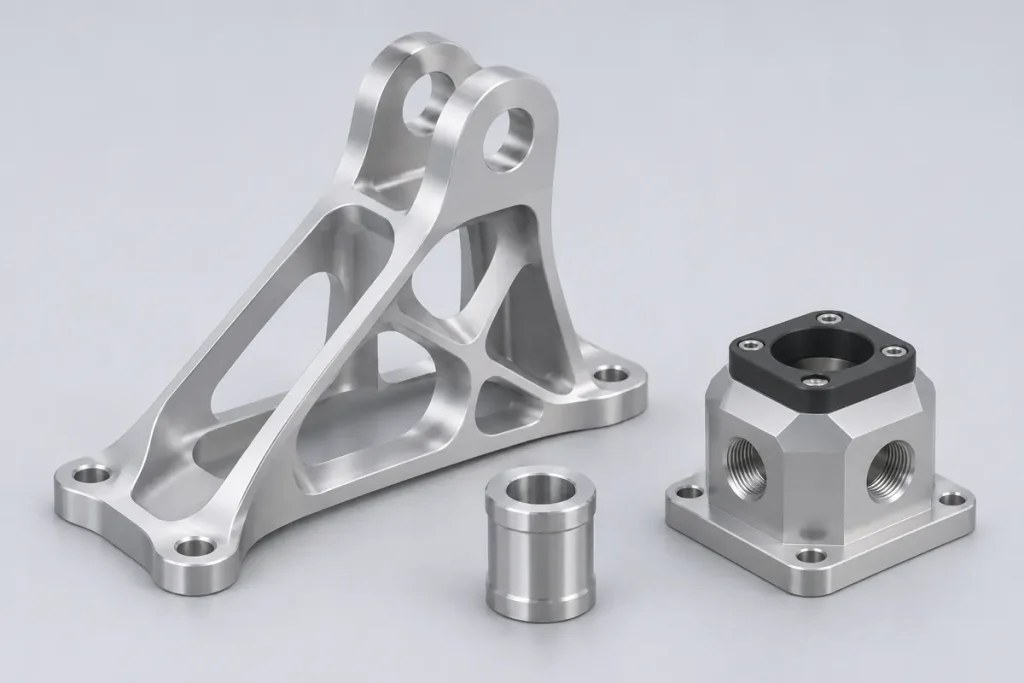
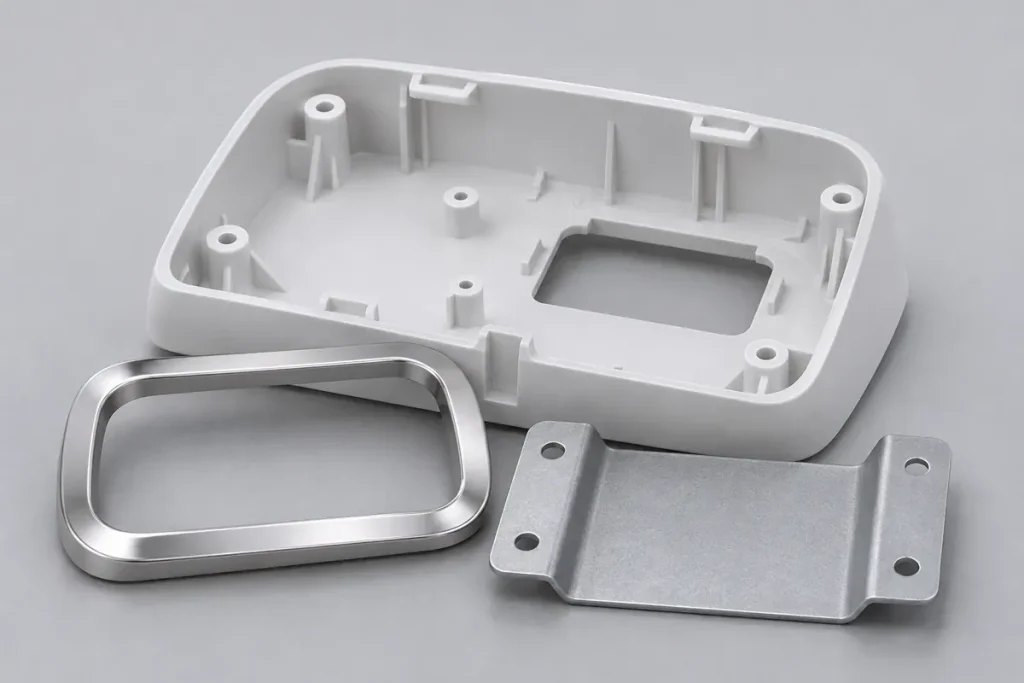
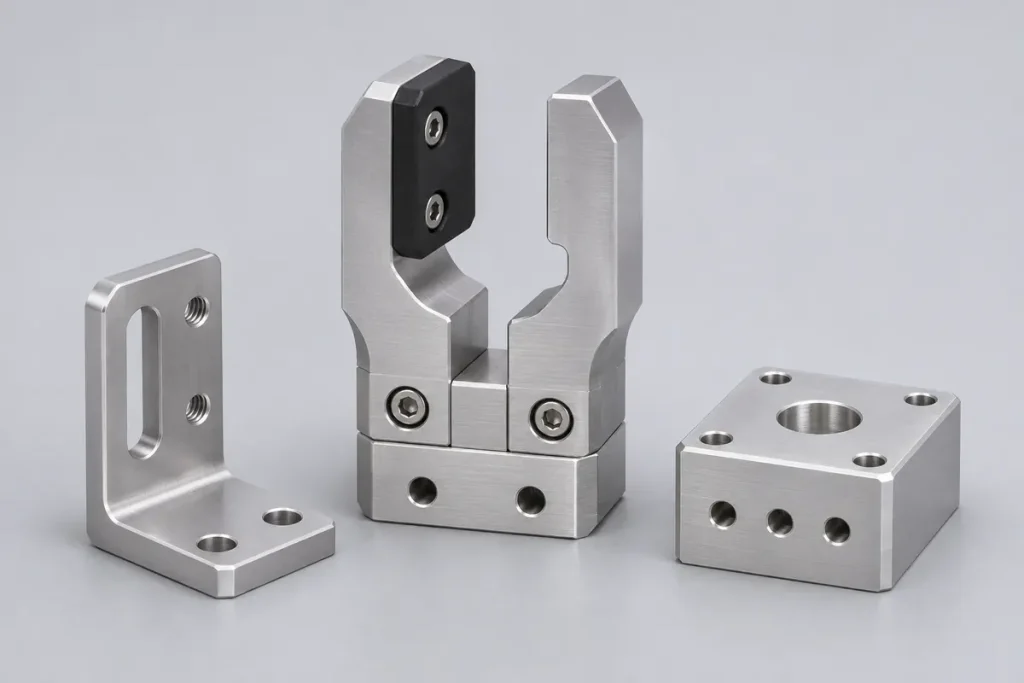
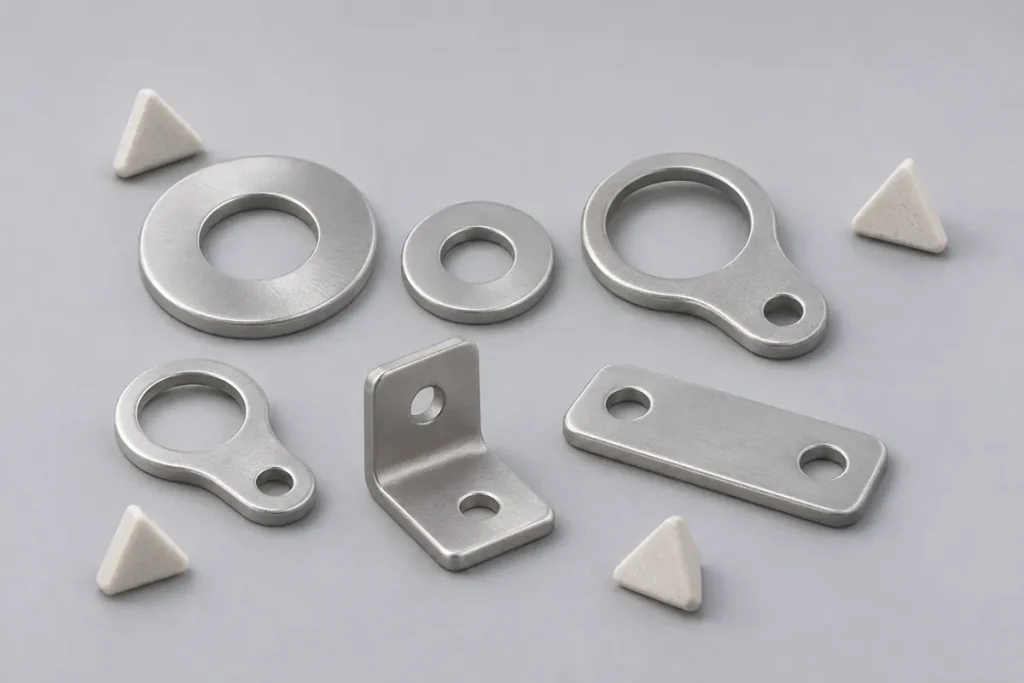
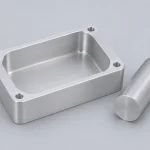
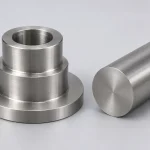
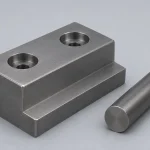
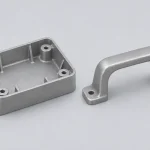
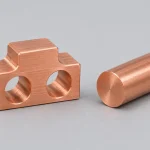
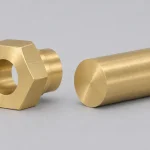
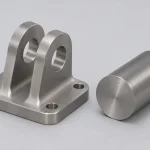
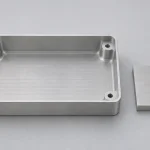
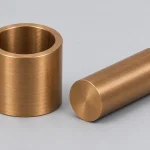
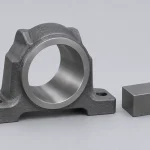
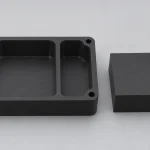
Illustration · Representative material, component and finish examples, not production records. Final material condition and finish are confirmed for each project.
Commonly Used Plastic Materials
About ABS
ABS, or acrylonitrile butadiene styrene, is a thermoplastic with a useful balance of toughness, stiffness, and machinability. It is commonly selected for housings, covers, fixtures, and components that need both functional testing and a finished appearance.
For ABS plastic prototyping and low-volume manufacturing, the selected grade, stock form, and part geometry influence the machining process and finished results.
- Price
- Based on material, geometry, and quantity
- Lead Time
- Confirmed during quotation
- Wall Thickness
- Reviewed according to geometry and process
- Tolerances
- Reviewed against drawing requirements
- Max Part Size
- Dependent on stock size, machine travel, and part geometry
- Available ABS
- General-purpose, machine-grade, and flame-retardant options; black and natural colors, subject to confirmation
The values above are manufacturer reference examples for specific grades, not guaranteed properties for every ABS material. Black and natural are color options that may overlap with other material categories. Availability, material form, test methods, and certification requirements should be confirmed for each project.
View More ABS OptionsAdvantages & Considerations of ABS
Advantages
- Impact Resistance: ABS offers useful toughness for housings, covers, fixtures, and components subject to handling or moderate impact.
- Machinability: ABS stock can be milled, turned, and drilled to produce custom features for prototypes and low-volume parts.
- Material Stability: Its balance of stiffness and toughness makes ABS a practical option for assembly checks and functional evaluation.
- Finishing Versatility: Compatible options such as sanding, polishing, and painting can be considered for the required appearance.
- Cost-to-Performance Balance: ABS offers a practical material choice for many projects that do not require the properties of higher-performance plastics.
Considerations
- Temperature Limits: Review operating temperatures and nearby heat sources against the selected grade’s data.
- UV Exposure: Standard ABS may degrade during prolonged outdoor exposure. Consider a suitable grade or protective finish where needed.
- Chemical Compatibility: Some solvents and chemicals can cause swelling or cracking. Check compatibility with the selected grade and service environment.
Common Applications
of ABS
AerospaceAerospace prototypes and custom parts for engineering evaluation.
AutomotiveCustom automotive parts for prototypes and low-volume production.
Electronic AppliancesCustom appliance parts and enclosures for product development.
MedicalMedical device prototypes, custom housings, and mechanical components.
AutomationCustom robotic parts, fixtures, and automation equipment components.
Surface Finishing Options
for ABS
As Machined
CNC machined surfaces retaining tool marks without additional cosmetic finishing.
Sand Blasting
Abrasive blasting for matte textures and metal surface preparation before coating.
Tumbling
Batch deburring, edge rounding, and surface smoothing for suitable manufactured parts.
Painting
Industrial painting for specified colors, gloss levels, and application-specific surface protection.
Polishing
Mechanical polishing for smoother surfaces and satin, bright, or mirror finishes.
Our Commitment
Project Support for Custom ABS Parts
GD Prototyping brings material guidance, machining, finishing, and inspection together to support custom ABS plastic parts from quotation through delivery.
Material & Documentation Review
Review the requested ABS grade, stock form, and material documentation requirements before production.
ABS Plastic Material Selection
Consider material options against part function, appearance, operating conditions, and project requirements.
Machining to Your Drawings
Plan ABS CNC milling and ABS CNC turning around part geometry, critical features, and drawing requirements.
Surface Finish Coordination
Review ABS plastic surface finishing options, including painting and polishing, against the selected material and appearance requirements.
Inspection Against Requirements
Check critical dimensions and specified surfaces according to the agreed inspection requirements.
Project & Delivery Coordination
Confirm project details, packaging needs, and delivery arrangements throughout the manufacturing process.
Ready to Machine Your ABS Parts?
Share your CAD files, quantity, and finishing requirements for an ABS machining quote and engineering review.
- Engineering Review
- Material Guidance
- Inspection Planning


Sep 18, 2026
Aug 21, 2026
Aug 21, 2026